

Description
Azisign 500 – Prescription-Only Medicine
Azisign 500 is a prescription-only antibiotic containing azithromycin 500 mg.

 Composition
Active Ingredient:
Azithromycin 500 mg
 Manufacturer
Signature Pharmaceuticals Limited
Variants:
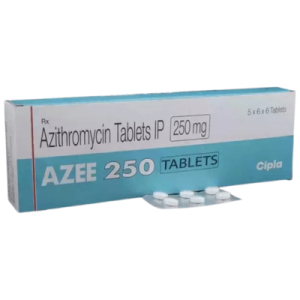
Azisign 250 (Azithromycin 250 mg tablets)
 Expiry
Refer to product packaging for exact month and year (typically 24–36 months from date of manufacture)
About Azisign 500
Azisign 500 contains azithromycin, a macrolide antibiotic indicated for the treatment of susceptible bacterial infections.
It is frequently recommended for ailments like:
- Diseases affecting the respiratory system
- Infections that impact soft tissues and the skin
- Certain sexually transmitted infections and ear infections.
Bacterial protein synthesis is inhibited by azithromycin.
This action aids in the body’s control and removal of the microorganisms that cause infections.
Azisign 500 targets symptoms associated with bacterial infections, such as:
- Fever
- Sore throat
- Cough
- Ear pain
- Sinus congestion
- Skin redness
- Swelling
- Discharge
Benefits
Azisign 500 helps in controlling the spread of bacterial infection within the body by stopping bacterial growth.
Lowering the bacterial load, it helps the immune system successfully eradicate the infection.
The medicine assists in relieving symptoms such as:
- Redness
- Swelling
- Inflammation
- Pain
You may see quick symptom improvement, but finishing treatment prevents recurrence or resistance.
Because it retains effective drug levels after dosing, it is typically recommended for brief periods of time.
How to use Azisign 500
- Follow your doctor’s prescription exactly when taking Azisign 500.
- Please do not chew or crush unless directed.
- Even if your symptoms become better before you finish the medicine, you should still continue the entire course of treatment.
- Avoid stopping the medicine without first consulting your doctor, since this could lead to insufficient treatment.
Azisign 500 is for internal use only.
Uses of Azisign 500
Bacterial infections that afflict various body areas are treated with Azisign 500.
It helps reduce bacterial growth, alleviates associated symptoms, and promotes recovery.
It is frequently recommended to treat infections of the skin, ears, chest, sinuses, throat, and lungs.
The uses of Azisign 500
Azisign 500 is recommended for infections caused by bacteria that are susceptible.
It doesn’t work on fungal or viral illnesses.
The following are some of the conditions:
- Tonsillitis, pharyngitis, and sinusitis are examples of upper respiratory tract infections.
- Infections of the lower respiratory tract, including pneumonia and bronchitis
- Skin and soft tissue infections, including otitis media (middle ear infection) and cellulitis
- Certain sexually transmitted infections
These infections can cause the following symptoms:
- Redness
- Swelling
- Pain
- Inflammation
- Fever
- Discharge
- Difficulty swallowing or breathing.
To avoid antibiotic resistance and recurrence, the entire prescription course must be followed.
When should you consult a doctor?
Consult a doctor immediately if:
- Within a few days, the symptoms either get worse or stay the same.
- You develop severe abdominal pain or persistent diarrhoea
- You notice an irregular heartbeat or chest discomfort
Side Effects
Common (Usually Mild and Temporary)
- Nausea
- Diarrhoea
- Pain in the abdomen
- A headache
- Mild rash on the skin
Rare But Serious
- Severe allergic reaction
- Persistent diarrhoea (possible antibiotic-associated colitis)
- Liver dysfunction
- Irregular heart rhythm
Safety Advice
 Liver
Liver
Use with caution in patients with liver impairment. Those who already have liver disease may need to have their liver function monitored.
 Kidney
Dose adjustment is generally not required in mild to moderate kidney impairment. If you have serious renal disease, see a doctor.
 Alcohol
Limited data are available regarding alcohol interaction. To lower the risk of gastrointestinal discomfort during therapy, alcohol use should be avoided or restricted.
 Driving
Azisign 500 does not usually affect the ability to drive. However, if you feel dizziness or experience other negative effects, avoid driving or operating machinery.
 Pregnancy
Use during pregnancy only if clearly prescribed by a doctor. A medical expert should assess the advantages and any hazards.
 Breastfeeding
Azithromycin may pass into breast milk. If you are nursing, speak with your doctor before using.
Warning About Consumption Before Using Azisign 500
- If the blister seal is damaged or broken, do not use.
- If you have ever experienced an adverse reaction to macrolide antibiotics, let your doctor know.
- Complete the entire course as instructed, even if you feel better.
Missed dose
Take the missed dose as soon as you remember to. Continue with your regular schedule and skip the missed dose if the next one is coming up. Never take two doses to compensate for missing one.
Additional Information
| Parameter | Details |
|---|---|
| Habit Forming | No |
| Chemical Class | Macrolide antibiotic |
| Therapeutic Class | Anti-infective |
| Action Class | Protein synthesis inhibitor |
FAQs
Q: What is Azisign 500mg used for?
A: Bacterial infections of the skin, ears, respiratory system, and some STDs are treated with 500 mg of Azisign. It helps reduce bacterial growth and supports recovery under medical supervision.
Q: Is azithromycin a strong antibiotic?
A: Azithromycin is considered an effective broad-spectrum antibiotic. It works against many susceptible bacteria by inhibiting protein synthesis. Its strength depends on the infection type and the correct prescribed dosage.
Conclusion
Azisign 500 is a macrolide antibiotic indicated for the treatment of susceptible bacterial infections. By stopping bacteria from synthesising proteins, it aids in the management of illness and reduces associated symptoms. To guarantee effective treatment and lower antibiotic resistance, the medication must be taken precisely as directed, and the entire course must be finished.
References
- National Institute for Health and Care Excellence (NICE) Guidelines
- World Health Organisation (WHO) Model Formulary
Disclaimer
This information is meant purely as a teaching tool and should not be used in place of expert medical advice. A trained healthcare provider should always be consulted before beginning any drug.



Reviews
There are no reviews yet.