
Glimepiride/Metformin 1/500mg (Glimp M1): UK Equivalents
Type 2 diabetes is managed using a combination of Glimepiride (1mg) and Metformin (500mg), taken together as oral antidiabetic therapy. While marketed overseas under brand names like Glimp M1, UK clinicians prescribe generic equivalents or separate tablets in accordance with NHS guidelines.
Quick Overview: Glimepiride + Metformin
- A prescription and formal clinical assessment from a registered healthcare professional are required for this medicine in the UK.
- Combines a sulfonylurea and a biguanide to improve blood glucose control through complementary biological actions.
- Typically begins lowering blood glucose levels shortly after administration, with full benefits seen over several weeks.
- Long-term diabetic complications are helped prevented when structured lifestyle modifications and regular medical monitoring are combined with this treatment.
What Is Glimepiride + Metformin (Glimp M1)?
If you are researching diabetes treatments, understanding active ingredients is key. Glimp M1 is the brand name given to a fixed-dose combination containing glimepiride (1mg) and metformin (500mg).
Glimp M1 belongs to two distinct classes of anti-diabetic medicines. Insulin release is stimulated by glimepiride, a second-generation sulfonylurea, whereas liver glucose production is reduced by metformin, a biguanide. Together, they provide dual-action glucose management for adult patients.
| Parameter | Overseas Brand (e.g., Glimp M1) | UK Licensed Equivalents (Diagemet / Generics) |
|---|---|---|
| Active Ingredients | Glimepiride + Metformin | Glimepiride / Metformin (Diagemet) |
| Strength | 1 mg + 500 mg | 1 mg + 500 mg equivalent |
| Drug Classes | Sulfonylurea + Biguanide | Sulfonylurea / Biguanide |
| Prescription Status | Prescription-Only Medicine (POM) | Prescription-Only Medicine (POM) |
| Therapeutic Role | Blood glucose management | Blood glucose management |
Doctors prescribe combination therapy when single-agent treatments fail to maintain target HbA1c levels. Equivalent Glimepiride and Metformin treatment options are available through registered UK pharmacy channels, following a clinical evaluation. While Glimp M1 isn’t directly distributed under that brand name by the NHS, trusted alternatives offering the same active ingredients are readily accessible to support your treatment needs.
How Glimepiride + Metformin Works in the Body
Glimepiride (1mg) and Metformin (500mg) combine two active ingredients with complementary mechanisms of action. Understanding how these substances interact helps patients manage their condition effectively.
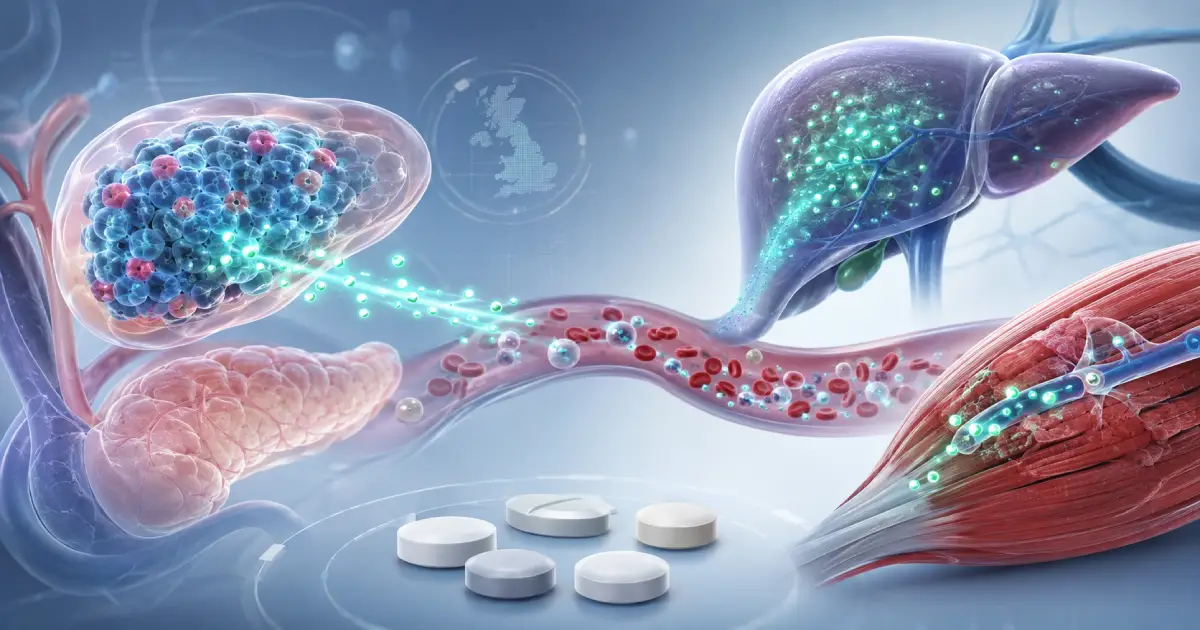
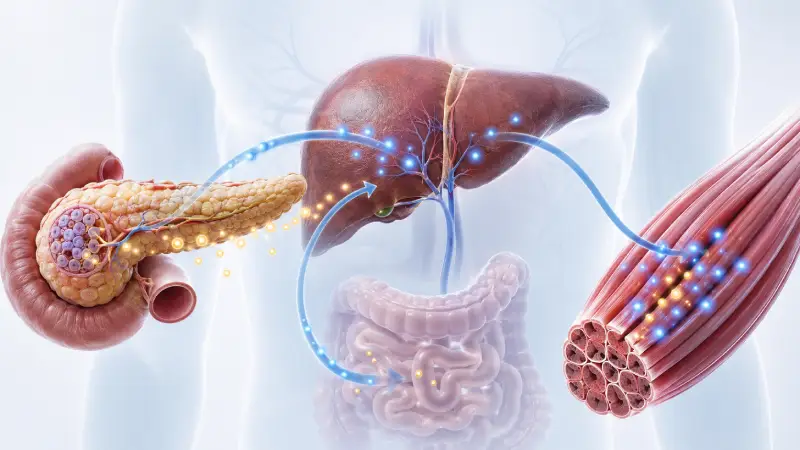
Working mainly by prompting the pancreatic beta cells into insulin secretion, that’s how glimepiride’s primary function is carried out. It binds to specific ATP-sensitive potassium channels on the beta cell membrane. This action causes cell depolarisation and triggers calcium influx into the pancreas. Consequently, the pancreas releases more natural insulin into the bloodstream.
Metformin works through a completely different physiological pathway. It targets the liver to decrease hepatic glucose production (gluconeogenesis). Additionally, metformin reduces intestinal absorption of sugar from consumed foods. Peripheral insulin sensitivity is also enhanced, achieved by increasing glucose uptake within skeletal muscle.
Combined, glimepiride and metformin address two core defects of type 2 diabetes. They increase circulating insulin while reducing insulin resistance throughout the body. This dual mechanism delivers superior glycaemic control compared to monotherapy alone.
When Doctors Prescribe Glimepiride and Metformin
UK doctors prescribe the combination of glimepiride and metformin for specific clinical indications. Adult patients with type 2 diabetes mellitus are the primary group for whom this medicine is indicated.
Prescribers recommend this dual treatment when metformin monotherapy provides inadequate blood sugar control. It is also suitable for patients already stabilised on individual glimepiride and metformin tablets.
Clinical scenarios for prescribing this combination therapy:
- Uncontrolled type 2 diabetes despite maximum tolerated metformin doses.
- Need for simplified medication regime to improve patient compliance.
- Inadequate glycaemic control despite structured diet and exercise routines.
- Patient stabilisation on equivalent separate doses of glimepiride and metformin.
Doctors carefully evaluate baseline kidney and liver function before initiating treatment. They ensure candidates have no contraindications to either active component.
Benefits of Dual-Action Glimepiride and Metformin Therapy
Effective blood sugar management is crucial for preventing long-term diabetes complications. Combining glimepiride and metformin offers several clinical benefits for suitable adult patients.
The primary advantage is enhanced glycaemic control through complementary active salts. By targeting insulin secretion and insulin resistance simultaneously, patients achieve better HbA1c reductions. The risk of microvascular damage is reduced when stable blood sugar levels are maintained.
Another key benefit is the convenience of a fixed-dose combination tablet. Taking a single combined pill reduces patients’ daily pill burden. Improved convenience often leads to better adherence to prescribed treatment schedules.
Maintaining stable blood sugar levels reduces the risk of microvascular damage. Proper glycaemic control protects small blood vessels in the eyes, kidneys, and nerves. It also supports cardiovascular health when combined with positive lifestyle changes.
Alternative Medicines Doctors May Consider
If glimepiride and metformin combination therapy is not suitable, UK doctors have alternative treatment options. The choice depends on individual patient health, renal function, and therapeutic targets.
Doctors may consider alternative diabetes treatments, including:
- Metformin monotherapy (such as Diagemet) for initial diabetes management.
- Dipeptidyl peptidase-4 (DPP-4) inhibitors like linagliptin or sitagliptin.
- SGLT2 inhibitors like empagliflozin or dapagliflozin and GLP-1 receptor agonists are options for advanced blood sugar control.
Each medicine class works differently to regulate blood sugar levels safely. Your general practitioner will select the most appropriate alternative based on clinical guidelines. Learn more about diabetes management medicines by consulting your local pharmacy team.
Possible Side Effects
Like all prescription medicines, glimepiride and metformin can cause side effects in some patients.
Mild side effects, which tend to diminish as the body adjusts to treatment, are experienced by most patients.
- Hypoglycaemia, causing shakiness or sweating due to low blood sugar levels, is among the common side effects.
- Gastrointestinal upset (nausea, vomiting, abdominal pain, or diarrhoea)
- A metallic taste in the mouth may also be experienced, alongside dizziness or lightheadedness.
- Headache and general fatigue
Serious side effects requiring immediate medical attention include:
- Severe hypoglycaemia causing confusion, seizures, or loss of consciousness
- Lactic acidosis (a rare metabolic emergency marked by muscle cramps and severe fatigue)
- An allergic reaction may present as skin rash, swelling, or breathing difficulty.
Any side effects experienced can be reported directly through the MHRA Yellow Card Scheme at yellowcard.mhra.gov.uk.
Important Safety Advice
Safety monitoring is vital when taking combination antidiabetic medicines containing glimepiride and metformin. Patients must understand potential risks before starting treatment.
Liver
Glimepiride clearance is reduced by hepatic impairment, which in turn increases the risk of lactic acidosis. Doctors avoid prescribing this medicine to patients with severe liver dysfunction.
Kidney
The kidneys are primarily responsible for excreting metformin. Renal impairment leads to drug accumulation and severe lactic acidosis risk. Regular kidney function tests are mandatory during therapy.
Alcohol
Alcohol consumption increases the risk of severe hypoglycaemia and lactic acidosis. Patients should strictly limit or avoid alcohol while taking this medicine.
Driving
Hypoglycaemia can impair concentration and reaction times while driving. Always check your blood glucose levels before operating vehicles or machinery.
Pregnancy
Glimepiride and metformin combination therapy is generally not recommended during pregnancy. Insulin is usually preferred for managing blood sugar levels in pregnant women.
Breastfeeding
Breast milk may be affected by active ingredients passing through, which could in turn affect the nursing infant, meaning safe alternative options during lactation should be discussed with your doctor.
Can Glimepiride and Metformin Be Taken With Other Medicines?
Glimepiride and metformin can interact with several common prescription and over-the-counter medicines. Inform your doctor or pharmacist about all current medicines, as some can enhance glimepiride’s blood-sugar-lowering effect.
These include:
- ACE inhibitors
- Clarithromycin
- Fluconazole
- Non-steroidal anti-inflammatory drugs (NSAIDs)
Combining these drugs with this combination therapy elevates the risk of severe hypoglycaemia.
Other medicines may decrease the effectiveness of glimepiride and metformin.
- Thiazide diuretics
- Corticosteroids
- Thyroid medicines
- Oral contraceptives can raise blood glucose levels
When these drugs are started or stopped, dosage adjustments may become necessary.
Beta-blockers used for high blood pressure can mask early warning signs of hypoglycaemia. Signs like rapid heart rate may be hidden, though sweating remains unaffected. Always seek medical advice before combining new treatments with your diabetes regime.
Storage and Handling Advice
To protect them from moisture and light, glimepiride and metformin tablets should be stored in their original packaging. Room temperature storage, ideally below 25°C, should also be maintained.
Do not store tablets in damp environments, such as bathrooms. Children and pets should never be able to see or reach any medicines.
Return unused or expired medicines to a local pharmacy for safe disposal. Never discard prescription drugs in household waste or sink drains.
Accessing Treatment Responsibly
In the UK, glimepiride and metformin combination products are Prescription-Only Medicines (POM). Without a valid clinical prescription, these medicines cannot legally be bought.
Patients must undergo a thorough medical evaluation by a registered UK prescriber. This ensures the medicine is safe and clinically appropriate for your specific condition.
Never attempt to purchase prescription medicines from unregulated online platforms. Always obtain your treatment through a registered UK pharmacy with professional clinical oversight.
When Should You Speak to a Doctor?
Regular medical reviews are essential for long-term management of type 2 diabetes. Contact your general practitioner if your blood sugar readings remain consistently high or low.
Seek urgent medical care if you observe signs of lactic acidosis or severe hypoglycaemia.
Symptoms like:
- Deep, rapid breathing
- Severe stomach pain
- Confusion demands immediate clinical evaluation.
Consult your doctor if you develop persistent gastrointestinal side effects that affect your appetite. Prompt medical advice ensures your treatment plan remains safe and effective.
Frequently Asked Questions
Q: What is Glimp M1 used for?
A: A fixed-dose combination of Glimepiride (1mg) and Metformin (500mg) is what the overseas brand name Glimp M1 refers to, used under clinician oversight to manage type 2 diabetes in adults.
Q: What are the common side effects of Glimepiride + Metformin (Glimp M1)?
A: Low blood sugar levels and digestive issues, such as nausea or diarrhoea, are among the common side effects. Patients may also experience dizziness, headaches, fatigue, or a metallic taste in their mouth.
Q: Who should not take Glimepiride and Metformin?
A: Individuals with severe kidney disease, liver failure, or active allergies should avoid this combination. Pregnant and breastfeeding women also require alternative treatments under clinical supervision. Pregnant and breastfeeding women also require alternative medical treatments.
Conclusion
Fixed-dose combination therapy with glimepiride (1mg) and metformin (500mg) provides effective dual-action control for type 2 diabetes. It lowers hepatic glucose production while enhancing natural insulin release.
Medical supervision is vital when taking prescription anti-diabetic treatments in the UK. Regular monitoring ensures optimal blood glucose control while minimising the risk of side effects. Before starting or altering your diabetes treatment, a qualified UK healthcare professional should always be consulted.
References
- National Institute for Health and Care Excellence (NICE). Type 2 diabetes in adults: management. NICE guideline [NG28].
- NHS Health A-Z. Type 2 Diabetes treatment overview and patient guidance.
Medical Disclaimer
Intended solely for informative purposes, this piece is no replacement for guidance from a medical professional. Anyone thinking about starting or altering a course of treatment should first speak with a registered healthcare professional.