
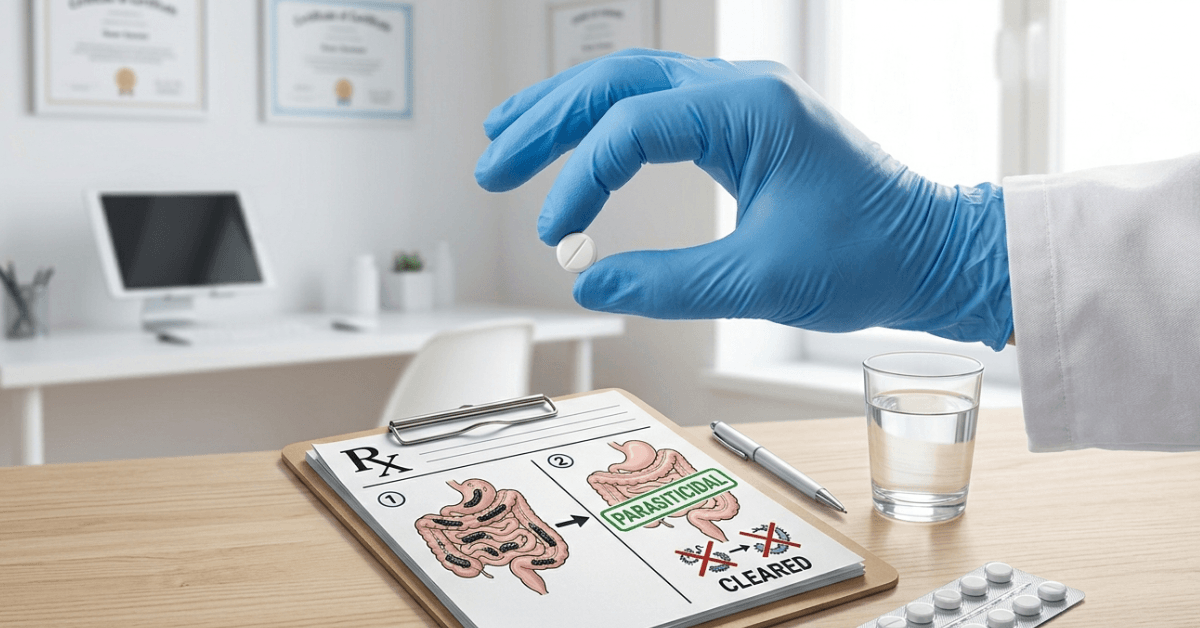
Covimectin 12 mg Ivermectin: Proven Parasite Relief
Covimectin 12 mg is a prescription medicine in the UK. Learn how it works, its benefits, side effects, and safety advice. Specific parasitic infections — including strongyloidiasis, onchocerciasis, scabies, and resistant lice — are the confirmed conditions for which this treatment is prescribed. It acts by binding to specific nerve and muscle channels within the parasite. Neither antibiotic nor antiviral properties are associated with this medicine.
If you have been prescribed Ivermectin, you may encounter it under different brand names at pharmacies. Among the available antiparasitic formulations approved for human use, Covimectin 12mg is prescribed specifically for targeted parasitic infections.
Decades of clinical use have established Ivermectin as a well-studied antiparasitic treatment. It remains a well-studied and effective treatment when prescribed correctly. In the UK, it is available under several brand names, including the reference brand Stromectol.
How Ivermectin functions in the body, what conditions it treats, and what patients can expect from treatment are all addressed within this guide. It is written to help UK patients understand their prescription clearly. The advice given by your prescribing doctor or pharmacist must be followed at every stage of treatment.
What is Covimectin 12mg?
Covimectin 12mg is a prescription-only antiparasitic tablet containing Ivermectin 12mg as its active ingredient. It belongs to the anthelmintic (antiparasitic) class of medicines. It is formulated specifically for human use.
Classified strictly as an antiparasitic, Ivermectin carries no antibiotic or antiviral action. Ivermectin targets parasites via distinct biological structures not present in human tissue. Because its mechanism targets parasite-specific structures, no effectiveness against viruses or bacterial infections has been demonstrated.
| Feature | Detail |
|---|---|
| Drug Class | Anthelmintic (antiparasitic) |
| Active Ingredient | Ivermectin |
| Strength | 12mg |
| Prescription Status | Prescription-only medicine (POM) |
| Typical Use | Parasitic infections in adult humans |
| UK Reference Brand | Stromectol |
Stromectol — the reference brand for Ivermectin is available in 3mg tablets. Covimectin 12mg contains four times that dose in a single tablet. This higher strength may reduce the number of tablets required per prescribed dose. However, it also makes accurate, weight-based prescribing essential. Covimectin 12mg must only be taken under the direct supervision of a qualified UK doctor or pharmacist.
How Ivermectin Works in the Body
Specific ion channels located in the nerve and muscle cells of parasites are targeted by Ivermectin, where binding disrupts normal cellular function. Known as glutamate-gated chloride channels, these are the nerve pathways that regulate muscle activity within parasitic organisms. When Ivermectin binds to these channels, paralysis of the parasite is induced.
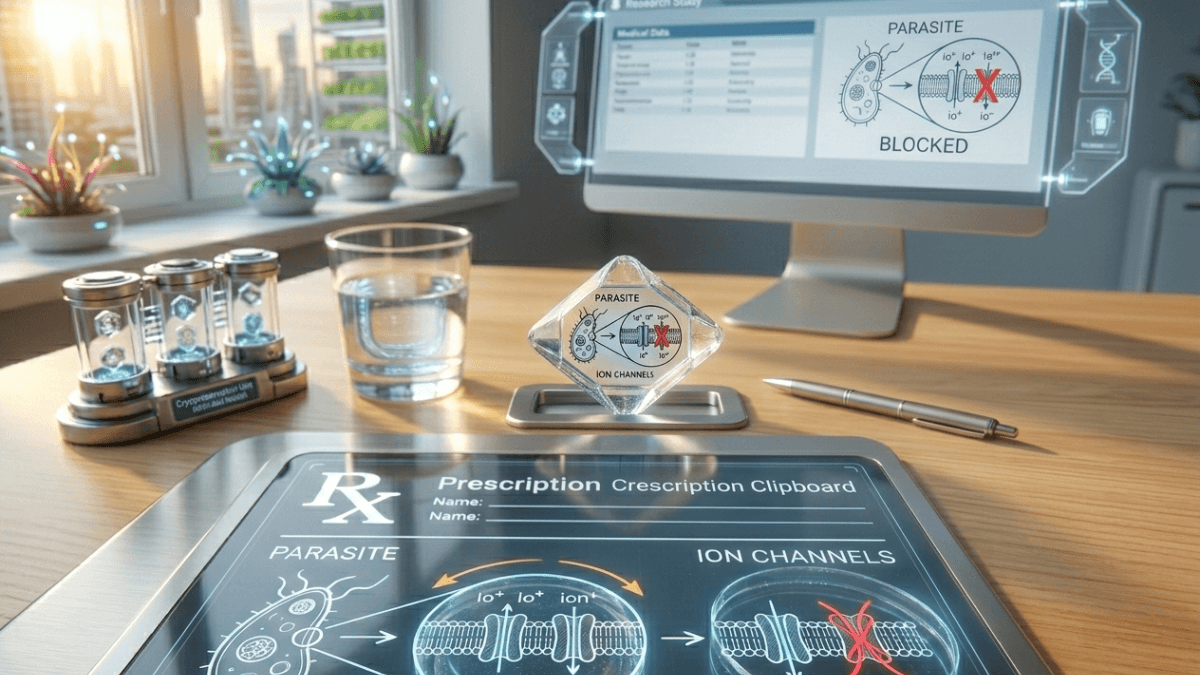
The ability to feed, move, or reproduce is lost by the parasite once paralysis has been induced by the medicine. Because the parasites are rendered inactive, the body’s immune system naturally eliminates the dead or dying organisms. This process typically begins within 24 to 48 hours of administration.
Importantly, humans and other mammals do not have the same glutamate-gated chloride channels as parasites. Because human nerve tissue does not contain the same glutamate-gated chloride channels as parasites, Ivermectin does not exert the same effect in humans when correctly prescribed.
What typically happens after taking Covimectin 12mg:
- Day 1 — Once taken, absorption of Ivermectin into the bloodstream occurs relatively quickly, allowing it to reach the site of infection
- Days 2 to 3 — Parasites are rendered paralysed by the action of Ivermectin
- Days 3 to 7 — The immune system begins clearing parasites
- Weeks 1 to 2 — Gradual improvement in symptoms
Because response times differ between patients, the dosage and course duration prescribed by your doctor must be followed precisely.
When Doctors Prescribe Covimectin 12mg
Covimectin 12mg is prescribed only for confirmed parasitic infections. The infection must be diagnosed correctly before treatment begins. A stool sample, skin scraping, or blood test may be requested by your doctor to confirm the diagnosis.
Approved medical uses of Covimectin 12mg include:
- Strongyloidiasis — an intestinal infection in which the roundworm Strongyloides stercoralis is the causative organism — is among the approved indications for Covimectin 12mg.
- River blindness — the common name for onchocerciasis — is caused by Onchocerca volvulus. It represents one of the approved indications for this antiparasitic treatment.
- Scabies — Where topical treatments have failed to resolve scabies — particularly in treatment-resistant or widespread cases — Covimectin 12mg may be considered.
- Resistant lice infestations — where standard topical treatments have not been effective
Covimectin 12mg is not indicated for viral infections, bacterial infections, or any condition unrelated to parasitic disease. Use of Ivermectin for unapproved indications is not supported by clinical evidence and may carry significant risk of harm.
Benefits of Covimectin 12mg
Covimectin 12mg provides a targeted treatment option for confirmed parasitic infections. Through its action on the parasite’s nervous system, Ivermectin induces rapid paralysis of the organism. Because it acts systemically, it becomes a clinically appropriate option when topical or other oral treatments have not achieved resolution.
For patients with strongyloidiasis, Ivermectin represents an established oral treatment option. For many parasitic infections, clearance can be achieved through a single dose or short treatment course. This represents a simpler alternative to prolonged topical or oral antibiotic regimens.
For onchocerciasis, regular treatment courses of Ivermectin reduce the microfilarial load — the number of parasite larvae — in the body. Because treatment halts further disease progression, the risk of associated complications is significantly reduced. In most cases, oversight of treatment is carried out by a specialist in tropical medicine.
In resistant scabies cases, oral Ivermectin provides a systemic alternative to topical creams. Widespread or crusted scabies presentations represent the cases in which this treatment proves especially beneficial. Your doctor will assess whether oral treatment is clinically appropriate for your individual circumstances.
Alternatives Doctors May Consider
Doctors may consider alternative antiparasitic treatments depending on the type of infection and patient circumstances. These alternatives may be clinically preferred in certain age groups, during pregnancy, or where Ivermectin is contraindicated per current clinical guidelines.
For scabies, topical permethrin cream is the standard first-line treatment. For strongyloidiasis, albendazole may be considered in some cases. Clinical guidelines, your specific diagnosis, and your medical history all inform the treatment choice made by your doctor.
Possible Side Effects
Like any medicine, Covimectin 12mg may cause side effects. During treatment, the majority of patients report either mild reactions or none at all. Reactions are more likely if the medicine is taken outside the prescribed dose range or used incorrectly.
| Type | Side Effect |
|---|---|
| Common and Usually Temporary | Dizziness |
| Nausea | |
| Headache | |
| Fatigue | |
| Mild skin rash or itching | |
| Less Commonly Reported | Vomiting |
| Diarrhoea | |
| Abdominal pain | |
| Swelling of the face or limbs | |
| Rare but Serious — Seek Immediate Medical Attention | Severe dizziness or loss of balance |
| Confusion or difficulty standing | |
| Rapid or irregular heartbeat | |
| Difficulty breathing | |
| Severe allergic reaction — swelling of the face, lips, or throat |
If any serious reaction occurs, stop taking the medicine and contact your GP or call NHS 111 immediately. Any suspected side effects should be submitted to the MHRA through the Yellow Card Scheme, accessible at yellowcard.mhra.gov.uk.
Important Safety Advice
Critical Warning — Human and Veterinary Ivermectin Must Not Be Confused
Because veterinary Ivermectin products are formulated exclusively for animals, their concentration levels are far higher than those safe for human use. They are not safe for human use under any circumstances. Serious harm has occurred as a result of people using animal-grade Ivermectin. Human-licensed Ivermectin prescribed by a registered UK doctor must always be used.
Weight-based dosing
Based on body weight and the condition being treated, the correct dosage of Covimectin 12mg is calculated individually for each patient. The 12mg tablet strength is common for adults, but it is not universal. The dose must never be self-adjusted without first speaking to your doctor or pharmacist. Because a higher dose offers no therapeutic benefit, exceeding the prescribed amount serves only to increase the risk of serious side effects.
Drug interactions
Ivermectin may interact with certain medicines. Known interactions include warfarin (a blood-thinning medicine) and medicines that affect liver enzyme activity. Over-the-counter treatments and herbal supplements, alongside all other medicines currently being taken, must always be declared to your doctor and pharmacist before treatment begins.
Alcohol
Because alcohol may exacerbate central nervous system side effects associated with Ivermectin, its consumption during treatment should be avoided.
Pregnancy and breastfeeding
Covimectin 12mg is not routinely indicated during pregnancy. Before treatment begins, consultation with your doctor is required if you are pregnant, trying to conceive, or breastfeeding. A full clinical assessment will be carried out by your doctor to determine whether the benefits of treatment outweigh any potential risks.
Children
In children, this treatment should only be used where a doctor has specifically issued a prescription following assessment. Because of weight-based dosing requirements, children under 15kg are generally not suitable for this treatment.
Before starting or changing any treatment, a qualified UK doctor or pharmacist should always be consulted.
Medical conditions to disclose before starting treatment:
- Liver disease
- A history of seizures or neurological conditions must be disclosed to your doctor before treatment is started
- A known allergy to Ivermectin or any related compound represents a contraindication to its use
- Recent travel to areas where Loa loa (African eye worm) is common requires additional assessment before Ivermectin is prescribed
Dependence
Covimectin 12mg does not cause physical dependence. It must only be used to treat the diagnosed condition and for the exact duration prescribed by your doctor.
When Should You Speak to a Doctor?
Contact your GP or call NHS 111 if you experience any of the following during or after treatment:
- Severe dizziness, confusion, or difficulty standing
- Signs of an allergic reaction, including swelling, hives, or breathing difficulty
- Where symptoms show no improvement after the prescribed course has been completed, your doctor should be contacted promptly
- Contact your GP if you notice any worsening of symptoms at any stage, where early reporting allows your doctor to reassess the treatment promptly
- Unusual skin reactions or swelling around the eyes or limbs should be reported to your doctor or pharmacist without delay
A second dose must not be taken without first seeking medical advice from your doctor or pharmacist. Urgent medical attention should be sought if symptoms are severe or worsen rapidly.
Can Covimectin 12mg Be Used With Other Medicines?
Covimectin 12mg can interact with several other medicines. Because Ivermectin may increase bleeding risk when taken alongside warfarin, this interaction is considered the most clinically significant. A review of your current medicines will be carried out by your doctor before Covimectin 12mg is prescribed.
Your pharmacist and doctor must always be informed of all medicines you are taking. Prescription medicines, over-the-counter products, vitamins, and herbal remedies are all included within the information that must be shared. Covimectin 12mg must not be taken alongside other antiparasitic medicines without explicit medical advice.
Storage and Handling Advice
- A room temperature below 25°C is the appropriate storage condition for Covimectin 12mg
- The original packaging should be retained throughout the course of treatment
- Direct sunlight and moisture must be avoided when storing this medicine
- Out of the sight and reach of children at all times, all medicines — including Covimectin 12mg — must be stored securely
- Because taking the medicine beyond its expiry date carries risk, the date printed on the packaging must always be checked before use
- Because placing unused medicines in household waste poses environmental risks, returning them to a pharmacy ensures safe and responsible disposal
Should you suspect that more than the prescribed dose of Covimectin 12mg has been taken, your doctor or NHS 111 should be contacted immediately.
Responsible Access to Treatment
Covimectin 12mg is a prescription-only medicine (POM). You must obtain medicine with a valid prescription from a registered healthcare professional.
Under no circumstances should an attempt be made to obtain Ivermectin outside of a valid prescription. Because unregulated sources may supply veterinary-grade or counterfeit products, obtaining this medicine from such channels carries serious safety risks. A regulated UK pharmacy is the only appropriate route through which this treatment should be accessed, alongside a valid prescription.
Sharing Covimectin 12mg with others is unsafe and must be avoided, even where their symptoms appear similar. Antiparasitic medicines should only be used to treat the specific confirmed infection for which they have been prescribed.
Frequently Asked Questions (FAQs)
Q: What is Covimectin 12 used for?
A: Parasitic infections in adults are the primary clinical indication for Covimectin 12mg. It is prescribed for strongyloidiasis, onchocerciasis, scabies, and resistant lice. No antibiotic or antiviral action is associated with this treatment.
Q: What are the main side effects of ivermectin?
A: Dizziness, nausea, headache, and fatigue are among the more commonly reported side effects during treatment. Because serious reactions — though uncommon — demand prompt intervention, urgent medical attention must be sought immediately if they arise. Severe symptoms must always be reported to your GP immediately, without delay.
Conclusion
Covimectin 12 mg is a prescription antiparasitic medicine containing 12mg of Ivermectin. It is used to treat confirmed parasitic infections, including strongyloidiasis, onchocerciasis, scabies, and resistant lice infestations. Its action targets parasite-specific nerve and muscle channels, causing paralysis and eventual clearance of the infection.
Throughout treatment, medical supervision is required to ensure the correct dose and course length are maintained. Because the correct dose varies between patients, it is calculated individually according to body weight and confirmed diagnosis. Because animal-grade Ivermectin products are not formulated for human use, they must never be used; similarly, the prescribed dose must never be adjusted without first speaking to your doctor.
Through a regulated UK pharmacy and with a valid prescription in place, Covimectin 12mg should always be obtained responsibly. Personalised clinical guidance is available from your doctor or pharmacist, who should be consulted with any questions about your treatment.
References
- NHS. Ivermectin. Available at: www.nhs.uk
- MHRA. Ivermectin: human use only — safety update. GOV.UK
- Electronic Medicines Compendium (EMC). Stromectol (Ivermectin). Available at: www.medicines.org.uk
Medical Disclaimer
This article is for informational purposes only and does not replace professional medical advice. Always consult a registered healthcare professional before starting or changing any treatment.