

Regain Comfort with Tydol 100mg Tapentadol
Tydol 100 is an atypical opioid analgesic containing 100mg of Tapentadol. This medicine is prescribed for adults. It manages moderate to severe pain. It changes how pain signals are processed there.
If you have been prescribed Tapentadol, you may notice several brand names available in local pharmacies. One specific formulation you might receive is Tydol 100.
Dealing with severe discomfort can disrupt your daily routine. Understanding your prescription can help you manage your treatment recovery safely. This guide outlines how the medicine functions in the healthcare context.
What Is Tydol 100?
| Field | Details |
|---|---|
| Drug Class | Atypical opioid analgesic |
| Active Ingredient | Tapentadol |
| Prescription Status | Prescription-only medicine (POM) |
| Typical Therapeutic Use | Moderate to severe acute and chronic pain |
| Available Strengths | 100mg |
Tydol 100 is a clinical painkiller medicine developed for adult patients. It belongs to the therapeutic category known as atypical opioid analgesics.
Your doctor will prescribe this treatment when standard non-opioid medications provide insufficient relief.
The UK reference brand for this active substance is Palexia. Both medications deliver equivalent targeted therapeutic support for severe physiological discomfort.
How Tapentadol Works in the Body
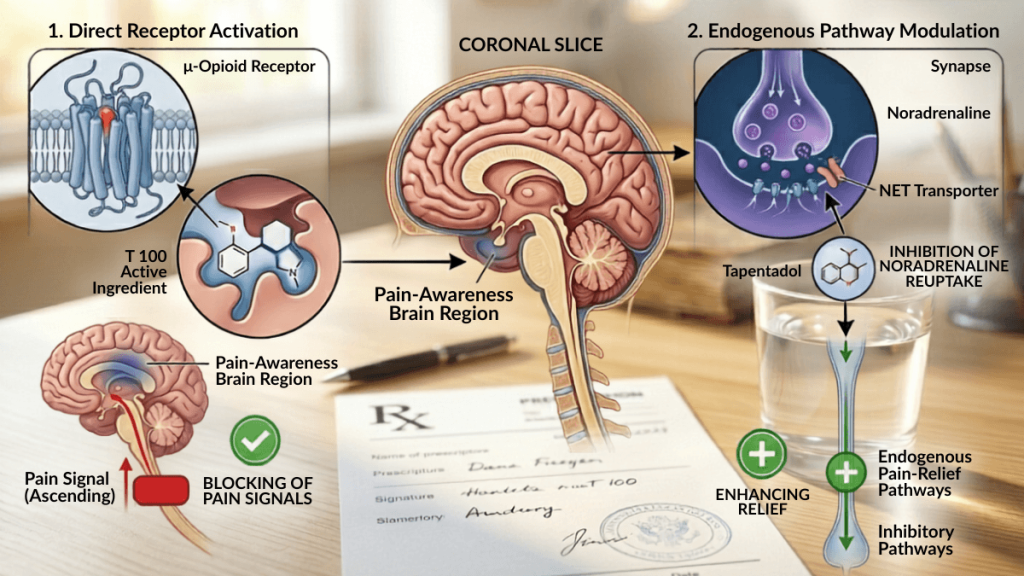
Pain signals are processed differently once this medicine takes effect. The brain and nerves respond in an altered way to painful sensory stimulation. The active ingredient exhibits a dual mechanism of action.
This medicine first activates mu-opioid receptors. These receptors sit within the central nervous system. This is the initial step in how the medicine works. This action blocks pain signals from reaching your conscious awareness.
Second, it inhibits the reuptake of noradrenaline (a chemical messenger in the body). This dual process enhances the body’s natural internal pain-relief pathways.
When Doctors Prescribe Tydol 100
Healthcare professionals prescribe this medicine to treat acute and persistent severe symptoms. It helps manage sudden muscular pain, severe headaches, and deep joint pain.
Doctors also consider it for post-operative recovery care. Where structural tissues need an extended healing period, this medicine proves useful.
Clinical reasoning dictates that this strong analgesic be used only when alternatives are inadequate. It serves patients requiring dedicated, high-tier clinical management plans.
Benefits of Tydol 100
The main benefit of this medication is rapid and reliable symptom relief. It allows individuals to recover from debilitating physical injuries comfortably.
When severe pain is eased, daily life often becomes more manageable. As a result, day-to-day living often improves. This lifts overall quality of life. Patients can perform essential daily activities with less physical strain.
This medicine provides a controlled, predictable treatment course under a doctor’s supervision. It helps prevent spikes in pain when taken at consistent intervals.
Alternative Medicine Doctors May Consider
Doctors may explore alternative option choices if this specific formulation is unsuitable. They might review other options within the same therapeutic category.
They can prescribe different strengths of the UK reference brand, Palexia. They might also consider alternative pain management medicines like codeine or tramadol.
Every patient requires a tailored clinical review to determine the ideal medication. Taking your medical history into account, your specialist decides on the right treatment for you.
Possible Side Effects
Like all strong medications, this therapeutic treatment can cause unwanted bodily reactions. You must monitor your physical health closely during the course.
| Side Effect Type | Symptoms |
|---|---|
| Common Side Effects | Nausea and vomiting; stomach discomfort or diarrhoea; dizziness and drowsiness; headaches and decreased appetite; increased sweating and unusual tiredness |
| Less Common Side Effects | Severe difficulty in breathing; allergic reactions, which can appear as skin rashes or swelling of the face; changes in visual acuity; severe constipation or internal abdominal pain |
Contact your healthcare provider immediately if any side effect persists or worsens.
Important Safety Advice
Even when taken at recommended dosages, this medicine carries a high risk of addiction. Misuse is also a concern. Prolonged use significantly increases these specific safety risks.
Never alter your dose without explicit guidance from your prescribing doctor. Sudden discontinuation can trigger severe withdrawal symptoms like tremors and chills.
Because combining alcohol with this medicine can raise certain risks, it should be avoided during treatment. Alcohol increases the risk of severe drowsiness, lightheadedness, and fainting.
This treatment can cause a sudden drop in your blood pressure. To avoid dizziness or falls, rise slowly from a sitting position.
Disclose any history of liver disease or kidney disease to your doctor. The active ingredient can accumulate in the body if filtration is reduced.
This medicine should not be taken if you are pregnant or breastfeeding. It may cause adverse reactions in the developing foetus or infant.
Contacting Your Doctor: When It’s Necessary
If breathing difficulties occur, contact your doctor immediately. Respiratory depression (slow and ineffective breathing) is a serious clinical concern.
Urgent help should be sought if signs of an allergic reaction appear, such as swelling around the face, tongue, or throat.
Consult your practitioner if your pain condition shows no improvement. Worsening symptoms may indicate that you require an alternative therapeutic approach.
Combining Tydol 100 With Other Medicines
This medicine can interact dangerously with other prescribed or over-the-counter drugs. Monoamine oxidase inhibitors (MAOIs), prescribed for depression, should never be combined with this medicine.
Maintain a minimum time gap of 14 days after stopping MAOI therapy. Inform your doctor if you take sedatives like alprazolam or other opioids.
Concomitant use increases the risk of severe central nervous system depression. Always seek a comprehensive consultation with a pharmacist before adding new medicines.
Storage and Handling
This medicine should be kept in its original packaging. Doing so protects it from moisture. Keep the tablets at a stable room temperature below 25°C.
Children should never be able to see or reach this medicine, so safe storage is essential. Opioid medications pose severe poisoning risks to young individuals.
Unused tablets should be taken to a local pharmacy for responsible disposal. Never throw away pharmaceutical products in standard household waste bins.
Responsible Access to Treatment
This medication is strictly classified as a prescription-only medicine across the UK. You can only obtain it via a regulated pharmacy supply framework.
Never attempt to purchase this treatment from unauthorised online platforms. Legitimate sourcing requires a formal consultation with a registered clinician.
Always consult a qualified healthcare professional before starting or changing treatment. This step ensures your ongoing safety and the efficacy of your medicine.
Frequently Asked Questions
Q: What is Tydol 100 used for?
A: This medicine is prescribed for pain relief. It treats both acute and chronic pain, ranging from moderate to severe. It helps relieve headaches, muscular discomfort, and post-operative pain.
Q: Does Tydol make me sleepy?
A: Tydol can cause drowsiness, especially when starting treatment or increasing your dose. Until its effects are known, driving or operating machinery should be avoided. Tell your doctor if drowsiness persists.
Q: How does Tydol 100 work?
A: Tramadol, an opioid pain reliever, is the active ingredient in Tydol 100. It works on the central nervous system to change how your body perceives and responds to pain. Effects begin within an hour.
Conclusion
Tydol 100 provides effective management for adults experiencing moderate to severe pain conditions. Its active ingredient alters pain perception safely when managed correctly.
Strict medical supervision is essential to minimise the risks of dependence and interactions. Patients must follow their prescribed treatment plans exactly as directed.
Accessing your medicines responsibly through authorised UK pharmacies protects your health. Prioritise open communication with your clinical team during recovery.
References
- National Institute for Health and Care Excellence (NICE) Guidelines on Pain Management.
- Medicines and Healthcare products Regulatory Agency (MHRA) Safety Alerts.
Medical Disclaimer
This article is for informational purposes only and does not replace professional medical advice. A registered healthcare professional should be consulted before any new medicine is started.