
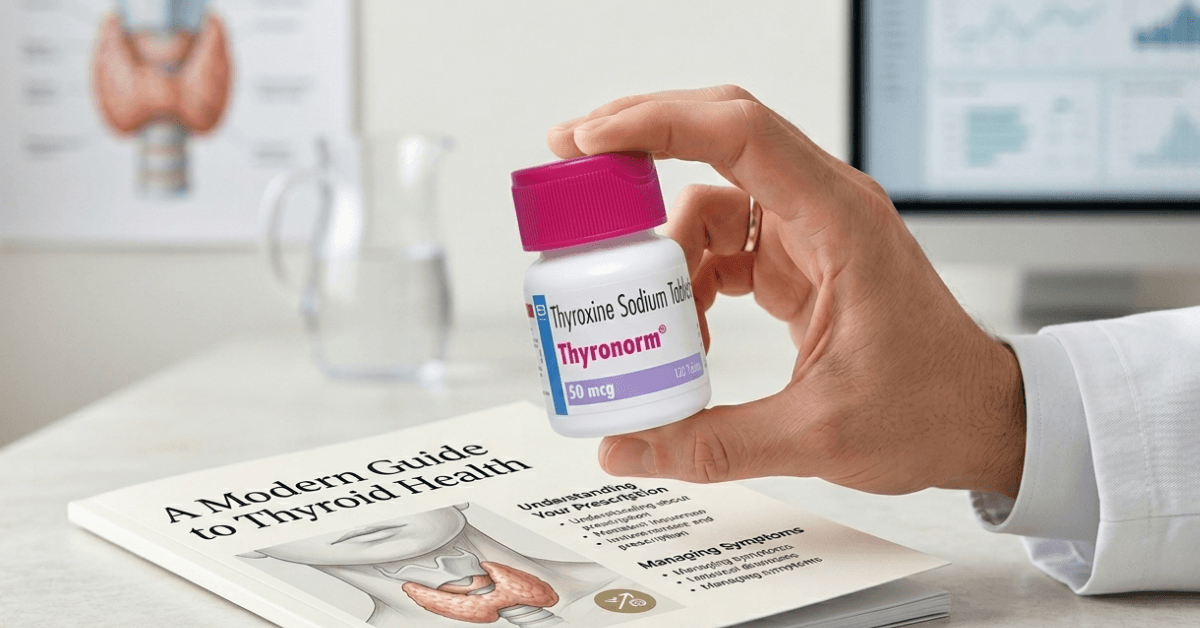
Thyronorm 50 Levothyroxine: Thyroid Guide
Levothyroxine sodium 50mcg — a synthetic thyroid hormone — is the active ingredient in Thyronorm 50. It is prescribed for hypothyroidism, goitre, post-thyroidectomy hormone replacement, and thyroid cancer management. It replaces thyroid hormone that the body cannot produce naturally.
Many people in the UK are prescribed levothyroxine and may encounter different brand names at their pharmacy. Thyronorm 50 and Eltroxin are two examples containing the same active ingredient.
If your GP has recently diagnosed you with an underactive thyroid, you may feel overwhelmed by the information available. Understanding your medicine clearly helps you take it safely and effectively.
This guide explains what Thyronorm 50 is, how levothyroxine sodium works in the body, and what to expect during treatment. It also covers important safety advice relevant to UK patients.
What Is Thyronorm 50?
Thyronorm 50 contains levothyroxine sodium 50mcg. Hypothyroidism and related thyroid conditions are the primary indications for which this synthetic thyroid hormone is prescribed. Prescription-only medicine (POM) status is conferred upon it under UK law. Restoring normal thyroid hormone levels to within the accepted range is the clinical goal of prescribing it.
Thyroxine — the hormone the thyroid gland produces naturally — is what Thyronorm 50 synthetically replicates. Hormone production throughout the body is regulated by the thyroid gland, which sits at the front of the lower neck. It controls metabolism, heart function, digestion, and brain development.
Levothyroxine is introduced to fill the hormonal gap that arises when the thyroid gland can no longer meet the body’s production needs. The body’s hormonal equilibrium is re-established through this replacement therapy. Significant health complications are likely to develop when hypothyroidism is left without treatment.
As a prescription-only medicine, levothyroxine falls under the regulatory authority of the MHRA in the UK. Several brand names are available for this medicine in the UK, with Eltroxin being one example. This is completely normal as they contain the same active ingredient. Always take the brand your GP or pharmacist has dispensed unless advised otherwise.
Key Medicine Information
| Category | Information |
|---|---|
| Drug class | Thyroid hormone replacement |
| Active ingredient | Levothyroxine sodium |
| Strength | 50 mcg tablet |
| Prescription status | Prescription-only medicine (POM) — UK |
| Primary therapeutic use | Hypothyroidism; thyroid hormone deficiency |
| UK reference brand | Eltroxin |
How Levothyroxine Sodium Works in the Body
Levothyroxine sodium is identical in structure to the thyroxine your thyroid gland produces naturally. After entering the bloodstream, conversion to the active hormone triiodothyronine (T3) takes place within body tissues. This regulates metabolism, heart rate, digestion, and energy levels throughout the body.
The thyroid gland produces thyroxine (T4) and releases it into the bloodstream when functioning normally. In hypothyroidism, this production is insufficient. Levothyroxine supplements this deficit directly.
The liver and kidneys are among the tissues where absorbed levothyroxine undergoes conversion to triiodothyronine (T3). It is T3 that carries out the biologically active functions of thyroid hormone within the body. It acts on virtually every cell in the body to regulate energy and metabolism.
Regular dosing maintains stable hormone levels in the blood. Because restored hormone levels allow the body to function normally again, symptoms such as fatigue, weight gain, cold intolerance, and low mood are brought under control. It also reduces the strain on the thyroid gland itself.
When Doctors Prescribe Thyronorm 50
Doctors in the UK prescribe levothyroxine for several thyroid-related conditions. Blood test results and each patient’s clinical profile are the factors that determine appropriate dose and duration.
Hypothyroidism
Hypothyroidism is the most common reason for prescribing Thyronorm 50. Because the thyroid gland cannot meet the body’s thyroxine requirements, symptoms such as fatigue, weight gain, dry skin, and low mood develop.
Levothyroxine replaces the missing hormone. Most patients require lifelong treatment. Your GP will monitor your thyroid function through regular blood tests.
Goitre
A goitre is identified by the abnormal swelling of the thyroid gland beyond its usual size. It can occur in both underactive and overactive thyroid conditions. Levothyroxine may help stabilise hormone levels and reduce gland enlargement in certain cases.
Identifying the root cause of a goitre is essential, as it guides the selection of the most appropriate treatment approach. Your GP or endocrinologist will assess whether levothyroxine is appropriate. In certain cases, additional therapeutic approaches beyond levothyroxine may be necessary.
Thyroid Hormone Deficiency in Pregnancy
Pregnant women with hypothyroidism require careful thyroid management. Foetal brain development is placed at risk when hypothyroidism during pregnancy is not appropriately managed. Levothyroxine is considered safe during pregnancy when prescribed appropriately.
Dose requirements often increase during pregnancy. Your GP or midwife will monitor thyroid function more frequently at this time. Never adjust your dose without medical advice.
Post-Thyroidectomy Hormone Replacement
Hormone replacement becomes a clinical necessity for patients whose thyroid gland has been partially or fully removed. The body can no longer produce sufficient thyroxine naturally. Thyronorm 50 fulfils this role after surgery.
Lifelong levothyroxine therapy is typically required after total thyroidectomy. Your specialist will determine the appropriate dose after surgery. Regular blood tests confirm that hormone levels remain within the target range.
Thyroid Cancer Management
In certain thyroid cancers, levothyroxine is prescribed at suppressive doses. This keeps thyroid-stimulating hormone (TSH) levels low. Elevated TSH can stimulate residual thyroid cancer cells to grow.
This use is managed by a specialist oncology or endocrinology team. Dosing in this context differs from routine hypothyroidism treatment. Careful monitoring is essential throughout.
Benefits of Thyronorm 50
The primary benefit of levothyroxine is restoring normal thyroid hormone levels. This relieves the wide range of symptoms caused by hypothyroidism. Within several weeks of beginning treatment, significant symptom improvement is experienced by most patients.
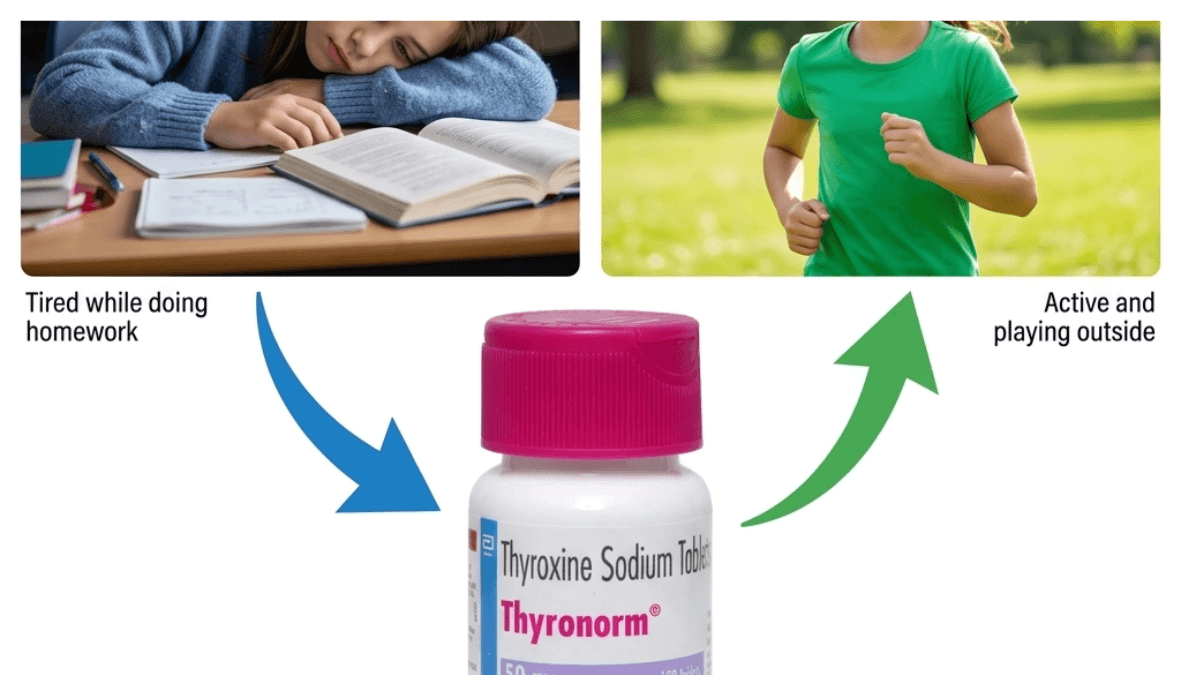
Energy levels, mood, and cognitive function often improve with effective treatment. Day-to-day activities are reported to become more manageable as treatment takes effect. Weight management also becomes more straightforward once hormone levels are stable.
For patients who have had thyroid surgery, levothyroxine maintains the metabolic functions the gland can no longer support. This includes heart rate regulation, digestion, and temperature control. Without it, post-operative complications would be significant.
In pregnancy, adequate levothyroxine therapy protects the foetal brain and nervous system. Proper treatment reduces the risk of complications for both mother and baby. Your GP or obstetrician will monitor this closely throughout pregnancy.
Learn more about thyroid replacement therapy options available through your registered UK online pharmacy. See available treatment options for hypothyroidism management. Always obtain your prescription medicines through a regulated, MHRA-compliant pharmacy.
Alternative Medicine Doctors May Consider
Levothyroxine (T4) is the first-line treatment for hypothyroidism in UK clinical guidelines. It is recommended by NICE and the BNF as the standard treatment for this condition. Most patients respond well to levothyroxine alone.
In a small number of patients, combination therapy with liothyronine (T3) alongside levothyroxine may be considered. This is usually managed by an endocrinologist. It is not routinely prescribed by GPs in the UK.
Desiccated thyroid extract, derived from animal thyroid tissue, is occasionally raised by patients; however, it is not recommended under current NICE or BNF guidelines for routine use in the UK.
Possible Side Effects
Most patients tolerate levothyroxine well at the correct dose. When side effects occur, they frequently indicate that the prescribed dose requires review, meaning any symptoms experienced should be reported to your GP without delay.
| Side Effect Category | Side Effect |
|---|---|
| Common | Diarrhoea or loose stools |
| Common | Headache |
| Common | Nervousness or feeling anxious |
| Common | Difficulty sleeping |
| Common | Feeling hot even in cool environments |
| Common | Irritability or restlessness |
| Common | Unintended weight loss |
| Common | Muscle cramps or spasms |
| Less Common | Rapid or irregular heartbeat (palpitations) |
| Less Common | Chest pain |
| Less Common | Excessive sweating |
| Less Common | Hair loss (usually temporary) |
| Less Common | Tremor of the hands |
| Less Common | Elevated blood pressure |
Many of these side effects suggest the dose may be too high. Self-adjusting the dose is unsafe and must be avoided. Symptoms that develop during treatment should be reported to your GP without delay.
Chest pain, a very rapid heart rate, or allergic symptoms such as rash, swelling, or difficulty breathing require immediate medical attention. Attend A&E if necessary.
Important Safety Advice
Before starting levothyroxine, inform your GP of all medicines, supplements, and health conditions. Several factors affect how this medicine works in your body.
Drug Interactions
Calcium supplements, antacids, and iron tablets can reduce levothyroxine absorption.
A gap of at least 4 hours before the levothyroxine dose is required when taking these products. All medicines currently being taken must be disclosed to your pharmacist at every point of dispensing.
Tirzepatide and some other medicines have a moderate interaction with levothyroxine sodium.
Your GP will review your full medicine list before prescribing. Never start a new medicine without informing your prescriber.
Calcium-Rich Foods
Because calcium-rich foods and drinks interfere with uptake, absorption of levothyroxine can be reduced when they are consumed too close to the dose. Avoid milk, yoghurt, or calcium-fortified drinks for 1 hour after taking the tablet. For optimal absorption, the dose is best taken on an empty stomach.
How to Take Thyronorm 50 Correctly
- At least 30 minutes should elapse before food, tea, or coffee is consumed after taking the dose
- The tablet should be taken whole with a full glass of water — splitting or dissolving it first is not recommended
- Before swallowing, the tablet must be kept intact — crushing, breaking, or chewing it alters its absorption
- Because consistent hormone levels depend on regular timing, taking the dose at the same time each morning is recommended
Bone Health
Bone mineral density may be reduced by prolonged levothyroxine use, particularly when higher doses are involved. Post-menopausal women face a heightened risk from this effect compared with other patient groups. Because prolonged use at higher doses may affect bone density, your GP may suggest calcium or vitamin D supplements as a preventive measure.
Regular thyroid function testing helps ensure your dose remains appropriate. Overreplacement of thyroid hormone carries its own risks. Increasing the dose independently, without clinical guidance, can lead to serious health complications and must be avoided.
Heart Conditions
Thyronorm 50 must be used with caution in patients with heart disease. Levothyroxine increases the heart’s workload. Your GP will start at a lower dose and increase gradually if you have cardiac conditions.
Because the heart requires a period of recovery after a heart attack, this medicine must not be used in those who have recently experienced one. Always disclose your full cardiac history to your prescriber. Regular monitoring is essential.
Diabetes
Levothyroxine may affect blood glucose levels in patients with diabetes. Your blood sugar control may change after starting treatment. Monitor your blood glucose more frequently and inform your GP of any significant changes.
Pregnancy and Breastfeeding
Levothyroxine is safe and necessary during pregnancy when prescribed by a doctor. During pregnancy, the body’s demand for levothyroxine typically rises, meaning higher doses are often required. As soon as pregnancy is confirmed, your GP should be notified so that dose adjustment can be considered.
Levothyroxine passes into breast milk in very small amounts. At therapeutic doses, use during breastfeeding is considered clinically acceptable. Always inform your prescriber if you are breastfeeding.
Diet and Lifestyle Advice
- Include iodised salt in your diet in moderation. The thyroid requires iodine to function
- Eat protein-rich foods such as eggs, milk, and pulses to support metabolism
- Include plenty of vegetables, fruits, and lean meats in your daily diet
- Engage in regular aerobic exercise and physical activity to support metabolic health
- Avoid goitrogenic foods near the time of your dose. These include soy products, broccoli, cabbage, kale, and cauliflower
- People with hypothyroidism often have low vitamin D and calcium. Discuss supplementation with your GP
When Should You Speak to a Doctor?
Contact your GP if you develop palpitations, chest pain, excessive sweating, unintended weight loss, or severe anxiety whilst taking Thyronorm 50. Symptoms of this kind may point to a dose that exceeds the level your body currently requires. Where chest pain or allergic symptoms such as rash, swelling, or breathing difficulties occur, immediate medical attention must be sought.
You should also contact your GP if your hypothyroidism symptoms are not improving after several weeks of treatment. A dose adjustment or further blood tests may be needed. Never alter your dose without medical advice.
If you accidentally take more tablets than prescribed, seek medical advice promptly. Symptoms of overdose include a fast heart rate, tremor, nervousness, loose stools, and elevated temperature. Contact your GP or NHS 111 immediately.
Can Thyronorm 50 Be Used With Other Medicines?
Several medicines interact with levothyroxine, reducing its effectiveness. These include iron tablets, calcium supplements, antacids containing aluminium, and some cholesterol-lowering medicines. Everything currently being taken — including supplements and over-the-counter products — must be disclosed to both your GP and pharmacist.
Some medicines increase the speed at which the body breaks down levothyroxine. These include rifampicin and some anticonvulsant medicines. Starting or stopping any of these products may prompt your GP to review and adjust your levothyroxine dose accordingly.
Levothyroxine can also enhance the effects of anticoagulant medicines such as warfarin. This increases the risk of bleeding. Your INR should be monitored closely if you take both medicines together.
Storage and Handling Advice
- A cool, dry location away from direct sunlight is the recommended storage environment for Thyronorm 50 tablets
- Bathrooms and areas near moisture or heat sources are unsuitable storage locations
- The original packaging must be retained to provide adequate protection from light
- Because children are particularly vulnerable to accidental ingestion, this medicine must be kept out of their reach and sight at all times
- Using the medicine beyond the expiry date printed on the packaging is unsafe and must be avoided under all circumstances
- Do not transfer tablets to other containers
Responsible Access to Treatment
In the UK, levothyroxine holds prescription-only medicine (POM) status, meaning it cannot be legally obtained without a valid prescription. It must not be obtained or used without a valid prescription from a registered prescriber.
Always verify the pharmacy’s registration before ordering prescription medicines online.
Before initiating or modifying thyroid treatment, guidance from a registered UK healthcare professional must be sought. Self-adjusting your levothyroxine dose can have serious health consequences. Responsible use under medical supervision offers the best prospect of effective treatment.
Frequently Asked Questions (FAQs)
Q: What is Thyronorm 50 used for?
A: Thyronorm 50 contains levothyroxine sodium 50mcg. It treats an underactive thyroid gland. Doctors also prescribe it after thyroid surgery and for goitre management. This medicine carries prescription-only medicine (POM) classification under UK law, making a valid prescription a legal requirement for supply.
Conclusion
Thyronorm 50 contains levothyroxine sodium 50mcg, a well-established thyroid hormone replacement medicine. It is used to treat hypothyroidism, goitre, post-thyroidectomy hormone deficiency, and certain thyroid cancers.
Levothyroxine requires careful dose monitoring through regular thyroid function tests. Overreplacement or underreplacement both carry health risks. Blood results and presenting symptoms are the clinical basis on which your GP will make any necessary dose adjustments.
If you have been prescribed Thyronorm 50, take it exactly as directed. Do not stop or alter your treatment without speaking to your GP. Because effective management depends on regularity and clinical oversight, consistent supervised use offers the strongest prospect of controlling the condition.
References
- NHS. Levothyroxine. NHS.uk. Available at: www.nhs.uk
- MHRA. Eltroxin 50mcg Tablets — Summary of Product Characteristics. MHRA.gov.uk
- NICE. Thyroid Disease: Assessment and Management. NICE guideline NG145. nice.org.uk
- British Thyroid Association. UK Guidelines for the Use of Thyroid Function Tests. British-thyroid-association.org
- Garber JR et al. Clinical Practice Guidelines for Hypothyroidism in Adults. Thyroid. 2012;22(12):1200–35
Medical Disclaimer
This article is for informational purposes only and does not replace professional medical advice. Always consult a registered healthcare professional before starting or changing any treatment.