Top 5 Conditions Iverheal 12 Ivermectin Treats
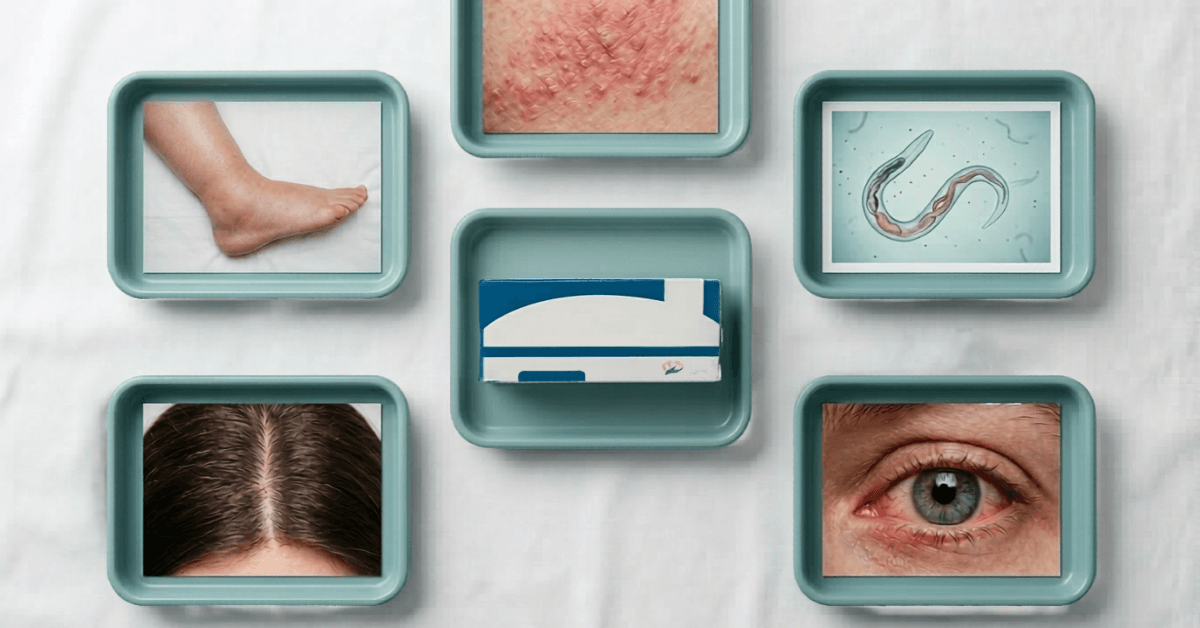
Iverheal 12 is a prescription antiparasitic tablet containing ivermectin 12mg. Doctors in the UK prescribe it to treat parasitic infections, including scabies, strongyloidiasis, onchocerciasis, lymphatic filariasis, and head lice. It works by paralysing parasites and clearing them from the body. Medical supervision is required throughout treatment.
If you have received an ivermectin prescription in the UK, different brand names may be available. In the UK, the long-established licensed brand is Stromectol, available in 3mg tablets. Iverheal 12 is a higher-strength 12mg formulation used in specific clinical and public health settings.
Imagine being told by your GP that you have scabies, an intestinal worm infection, or a parasitic skin disease acquired abroad.
Receiving such a diagnosis can be unsettling, yet all of these conditions respond well to treatment.
Ivermectin-based medicines like Iverheal 12 are trusted antiparasitic treatments prescribed by doctors worldwide.
This guide explains the five main conditions that doctors treat with Iverheal 12, using clear, medically accurate information for UK patients.
Understanding Iverheal 12 and Ivermectin Strength
Iverheal 12 contains 12mg of ivermectin per tablet, four times the strength of the standard UK-licensed brand, Stromectol (3mg).
Stromectol 3mg tablets are combined to achieve therapeutic doses.
As an example, a patient weighing 60–79kg would typically require four Stromectol 3mg tablets.
Iverheal 12mg’s single tablet is often used in mass drug administration and clinical practice worldwide.
Both formulations contain the same active ingredient, ivermectin.
Classified within the anthelmintic group, this medicine is available in the UK on a prescription-only basis (POM).
Key Medicine Information
| Property | Details |
|---|---|
| Active Ingredient | Ivermectin |
| Drug Class | Anthelmintic (antiparasitic) |
| Strength — Iverheal | 12mg per tablet |
| UK Reference Brand (Stromectol) | 3mg per tablet (equivalent dosing achieved with multiple tablets) |
| Prescription Status | Prescription-only medicine (POM) in the UK |
| Therapeutic Role | Treatment of parasitic infections affecting the skin, intestines, and lymphatic system |
Doctors select the most appropriate ivermectin formulation based on the patient’s weight, condition, and clinical needs.
1. Scabies (Mite Infestation)
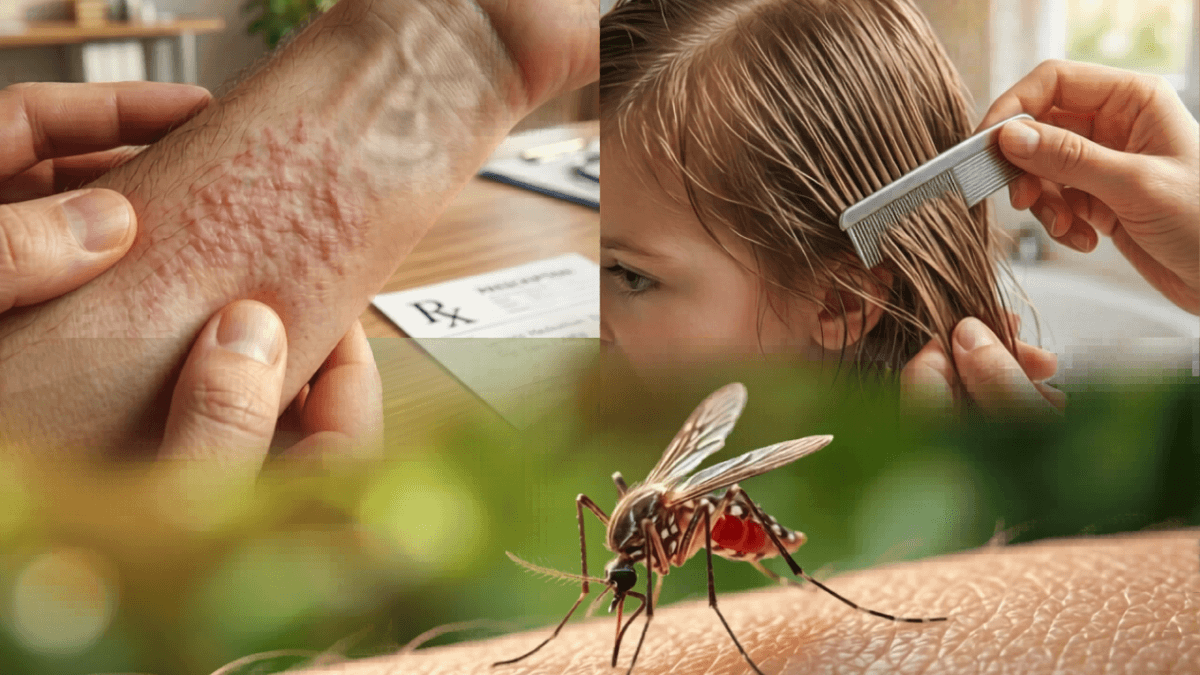
Caused by microscopic mites, scabies is one of the most contagious skin conditions a person can contract.
Ivermectin is one of the most effective oral treatments, particularly for severe or crusted scabies where topical creams are insufficient.
A single dose is often prescribed based on patient weight.
Sarcoptes scabiei, a microscopic mite that tunnels into the skin, is responsible for causing the condition.
It spreads easily through close physical contact.
Symptoms include:
- Severe, persistent itching
- Skin rashes
- Red raised bumps that typically worsen during the night
Topical treatments such as permethrin cream are the first-line option for mild scabies in the UK.
However, doctors may prescribe oral ivermectin when topical treatments fail.
This includes crusted (Norwegian) scabies and outbreaks in care homes or institutional settings.
Iverheal 12 provides a convenient single-dose treatment in these higher-burden scenarios.
Ivermectin targets the mites’ nervous systems.
It paralyses them, prevents reproduction, and ultimately eliminates the infestation.
- Particularly effective for crusted scabies
- Used when topical permethrin is not sufficient or tolerated
- Convenient single-tablet dose for weight ranges where 12mg is appropriate
- May be used alongside topical treatment for complete clearance
2. Strongyloidiasis (Threadworm Infection)
Without treatment, strongyloidiasis — a chronic intestinal worm infection — is capable of persisting in the body for many decades.
Ivermectin is the first-line treatment recommended by WHO and NICE.
Effective against Strongyloides larvae and worms causing strongyloidiasis.
It is particularly common in patients who have lived or travelled in parts of Africa, Asia, Latin America, and Eastern Europe.
The infection can persist silently for many years.
Symptoms include diarrhoea, abdominal pain, bloating, and unexplained weight loss.
For patients with weakened immune systems, this infection may become life-threatening.
Ivermectin is the recommended first-line treatment for strongyloidiasis.
It kills both larvae and adult worms effectively and is well tolerated in most patients.
The World Health Organisation (WHO) lists ivermectin as an essential medicine specifically for treating this condition.
Further information on intestinal worm infections and treatment options is available in our antiparasitic medicines guide.
3. Onchocerciasis (River Blindness)
Onchocerciasis is a parasitic condition spread through blackfly bites that can lead to severe skin damage and loss of vision.
Ivermectin is the WHO-recommended treatment, reducing larval load and protecting against blindness.
Transmitted through the bites of blackflies, the condition is caused by the parasite Onchocerca volvulus.
Populations in sub-Saharan Africa and select regions of Latin America are most commonly affected.
In the UK, it is seen mainly in patients who have lived in or returned from these regions.
The parasite generates larvae (microfilariae) that travel through the skin and eyes.
Over time, this leads to intense itching, thickened skin, and potentially irreversible vision loss.
Ivermectin does not destroy the adult worm but substantially lowers the number of larvae circulating in the body.
This reduces skin symptoms and prevents progressive eye damage.
Treatment is typically repeated annually or every six months under specialist supervision.
The WHO recommends ivermectin as the core drug for onchocerciasis control programmes globally.
The 12mg Iverheal strength is practical for mass treatment due to its wider weight coverage compared to lower strengths.
4. Lymphatic Filariasis (Elephantiasis)
Spread through mosquito bites, lymphatic filariasis is a parasitic infection that targets the lymphatic system.
Ivermectin, combined with other medicines, is used in WHO mass drug administration programmes to reduce parasite transmission.
Lymphatic filariasis is caused by filarial worms spread by mosquito bites. It affects over 120 million people worldwide.
In severe cases, the infection damages the lymphatic system and causes abnormal swelling of the limbs or genitals, a condition known as elephantiasis.
Fever and skin thickening are also common.
In the UK, lymphatic filariasis is seen primarily in patients returning from tropical regions.
Diagnosis is carried out by NHS specialists using blood tests alongside a thorough clinical assessment.
Ivermectin is often given as part of combination therapy, usually together with albendazole or diethylcarbamazine.
It reduces the number of circulating microfilariae and helps prevent onward transmission.
The WHO coordinates annual MDA programmes in endemic countries. Each treatment round uses weight-based dosing, where a single Iverheal 12mg tablet may be appropriate for many adult patients.
5. Head Lice and Other Ectoparasitic Infections
Ivermectin is an effective oral treatment for head lice when topical treatments have failed.
It works by paralysing lice and preventing egg hatching, making it a useful alternative in cases of resistance or difficult-to-treat lice.
Head lice are a common ectoparasitic infection, particularly in school-age children in the UK.
Standard treatment involves topical lotions such as dimeticone or malathion.
However, resistance to these products has been increasingly reported in the UK.
When topical treatments repeatedly fail, oral ivermectin may be considered by a GP or specialist.
It paralyses lice by disrupting their nervous system and prevents eggs from hatching successfully.
In the UK, ivermectin holds no licence for head lice treatment; however, it may be prescribed off-label in resistant cases under specialist supervision.
Cases of demodicosis and pubic lice may be considered for ivermectin treatment on an individual clinical basis.
- Effective when topical lotions have failed
- Useful in cases of suspected treatment-resistant lice
- Reduces reinfestation by preventing egg hatching
- Always requires a prescription and medical assessment in the UK
What Clinical Evidence Shows
Ivermectin has an extensive evidence base spanning over four decades of use in human medicine.
It was first approved for human use in the 1980s and has since been designated an essential medicine by the WHO for several parasitic conditions.
Clinical trials consistently demonstrate high efficacy for strongyloidiasis and onchocerciasis.
Evidence for scabies and head lice is also well established, particularly in treatment-resistant cases.
The BNF (British National Formulary) and NICE clinical guidelines provide prescribing guidance for ivermectin in the UK.
Doctors must consider patient risk factors when prescribing medicines.
A doctor is best placed to make this assessment.
Patient Suitability and Alternatives
Ivermectin is not suitable for all patients.
Before prescribing, a clinician will take into account your weight, medical history, and all other medicines you are currently taking.
Routine use during pregnancy is not advised, and caution is required when treating children who weigh under 15kg.
Patients with certain neurological conditions or blood-brain barrier disorders should discuss this carefully with their doctor before use.
Alternatives Your Doctor May Consider
| Condition | Alternative Treatment | Notes |
|---|---|---|
| Scabies | Permethrin 5% cream | First-line in the UK; topical application |
| Strongyloidiasis | Albendazole | Less effective than ivermectin; used if ivermectin is contraindicated |
| Onchocerciasis | Moxidectin (newer option) | Specialist-prescribed; longer duration of action |
| Head Lice | Dimeticone lotion or wet combing | First-line treatments; ivermectin considered if these fail |
Side Effects in the Context of Antiparasitic Treatment
Most patients tolerate ivermectin well.
Side effects are generally mild and short-lived.
Certain side effects may reflect the body reacting to the breakdown of dying parasites, rather than being a direct response to the medicine.
This is called the Mazzotti reaction and is more common when treating onchocerciasis.
| Side Effect | Frequency | Notes |
|---|---|---|
| Nausea or vomiting | Common | Usually mild and short-lived |
| Headache | Common | Typically resolves within 24–48 hours |
| Lightheadedness | Common | Avoid driving until it passes |
| Fatigue | Common | Rest advised on day of dose |
| Skin rash or itching | Common | May indicate parasite die-off (Mazzotti reaction) |
| Swollen lymph nodes | Less Common | Monitor and report if persistent |
| Joint or muscle pain | Less Common | Usually temporary |
| Fever | Less Common | Contact GP if above 38°C |
| Low blood pressure | Less Common | Seek medical advice if severe |
| Eye irritation | Less Common | Primarily in onchocerciasis patients |
If severe or lasting for more than 48 hours, see your GP for side effects such as breathing difficulties, facial swelling, or a rapid heartbeat.
Important Safety Advice
Prior to starting ivermectin, you should make your prescriber aware of every medicine you are currently taking.
Drug Interactions to Be Aware Of
- Warfarin — ivermectin may increase anticoagulant effect; closer INR monitoring may be needed
- Barbiturates and benzodiazepines may interact with ivermectin’s CNS effects
- Ivermectin should not be combined with other antiparasitic medicines without medical supervision
Conditions to Disclose to Your Doctor
- Liver or kidney disease
- The risk of severe infection in HIV or other immunocompromising conditions requires specialist input
- History of neurological disorders
- Loiasis (Loa loa infection): Ivermectin is contraindicated due to serious neurological risk
Pregnancy and Breastfeeding
Ivermectin is not routinely recommended during pregnancy.
Evidence regarding use in human pregnancy remains limited.
Women who are breastfeeding should seek advice from their doctor prior to use, as the medicine can pass into breast milk.
Children
Children who weigh under 15kg should not be given ivermectin.
For children above this weight, dosing is always weight-based.
A doctor will calculate the correct dose.
Alcohol
There are no direct alcohol interactions documented with ivermectin.
On the day you take your dose, avoiding alcohol is strongly advisable.
When Should You Speak to a Doctor?
Contact your GP or specialist promptly if any of the following occur:
- Your symptoms show no sign of improvement after two to four weeks of treatment
- A high fever, severe rash, or breathing difficulties develop after taking the medicine
- You experience visual disturbances, confusion, or extreme fatigue
- You are prescribed ivermectin, but have recently returned from a region where Loa loa is endemic (Central and West Africa)
- You are currently pregnant, trying to conceive, or breastfeeding and have been prescribed this medicine
If you experience a severe allergic reaction, call 999 or go to your nearest A&E immediately.
Responsible Access to Treatment in the UK
In the UK, ivermectin holds prescription-only medicine (POM) status and may not be legally supplied without a valid prescription issued by a registered prescriber.
The UK reference brand Stromectol (3mg) is licensed and regulated by the MHRA.
Any supply of ivermectin, including higher-strength products such as Iverheal 12mg, must come from a GPhC-registered pharmacy.
Obtaining prescription medicines from unregulated online sources poses serious risks to your health.
Treatment should always be obtained through a qualified UK prescriber or clinician.
Frequently Asked Questions (FAQs)
Q: What is Iverheal 12 used for?
A: Iverheal 12 is a prescription-only antiparasitic tablet that contains 12mg of ivermectin. Doctors prescribe it to treat scabies, strongyloidiasis, onchocerciasis, lymphatic filariasis, and head lice when topical treatments have failed.
Q: What is the difference between Iverheal 12 and Stromectol?
A: Both medicines contain ivermectin as the active ingredient. Stromectol is UK-licensed, with 3mg tablets. Iverheal 12 has 12mg tablets equal to 4 Stromectol tablets. The total prescribed dose remains the same; only the tablet strength differs. Always follow your prescriber’s instructions.
Conclusion
Iverheal 12 is a 12mg ivermectin tablet prescribed to treat a range of serious parasitic diseases. These include scabies, strongyloidiasis, onchocerciasis, lymphatic filariasis, and head lice.
The UK reference brand, Stromectol, contains 3mg of ivermectin per tablet. Multiple tablets are combined to achieve an equivalent therapeutic dose, making Iverheal 12mg a convenient single-tablet alternative in appropriate clinical settings.
Whichever formulation your doctor prescribes, all ivermectin treatment must be taken under medical supervision. Correct dosing, safety screening, and follow-up are essential for effective treatment.
If you think you may have a parasitic infection or have been prescribed ivermectin, speak to your GP or a specialist in travel or tropical medicine. Always use medicines obtained from a regulated UK pharmacy.
References
- NHS. Ivermectin. Available at: www.nhs.uk
- MHRA. Ivermectin 3mg Tablets: www.medicines.org.uk
- NICE. Strongyloidiasis — Scenario: Management. Available at: cks.nice.org.uk
- World Health Organisation (WHO). Ivermectin. WHO Model List of Essential Medicines. Geneva
- Romani L, et al. Ivermectin for the Control of Scabies. PLoS Neglected Tropical Diseases, 2015.
- Ottesen EA, et al. Strategies and tools for the control/elimination of lymphatic filariasis. Bulletin of the WHO, 1997.
Medical Disclaimer
This article is for informational purposes only and does not replace professional medical advice. Always consult a registered healthcare professional before starting or changing any treatment. Ivermectin is a prescription-only medicine in the UK. Never obtain prescription medicines from unregulated sources.