
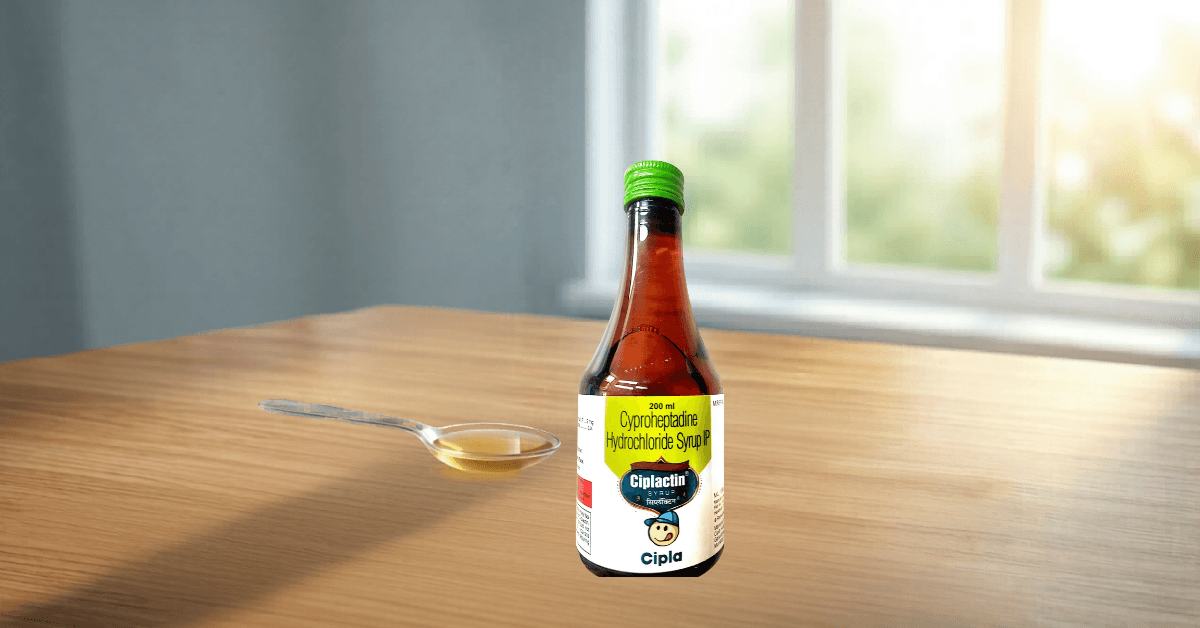
Ciplactin Syrup contains cyproheptadine hydrochloride 2mg, a first-generation antihistamine. In the UK, cyproheptadine hydrochloride is also recognised under the brand name Periactin Syrup. Because histamine is the chemical responsible for triggering allergy symptoms, blocking it is central to how this medicine provides relief. This medicine is prescribed for several allergic conditions. These include allergic rhinitis, urticaria, pruritus, and allergic conjunctivitis. The instructions provided by your doctor or pharmacist must be followed precisely each time this medicine is taken.
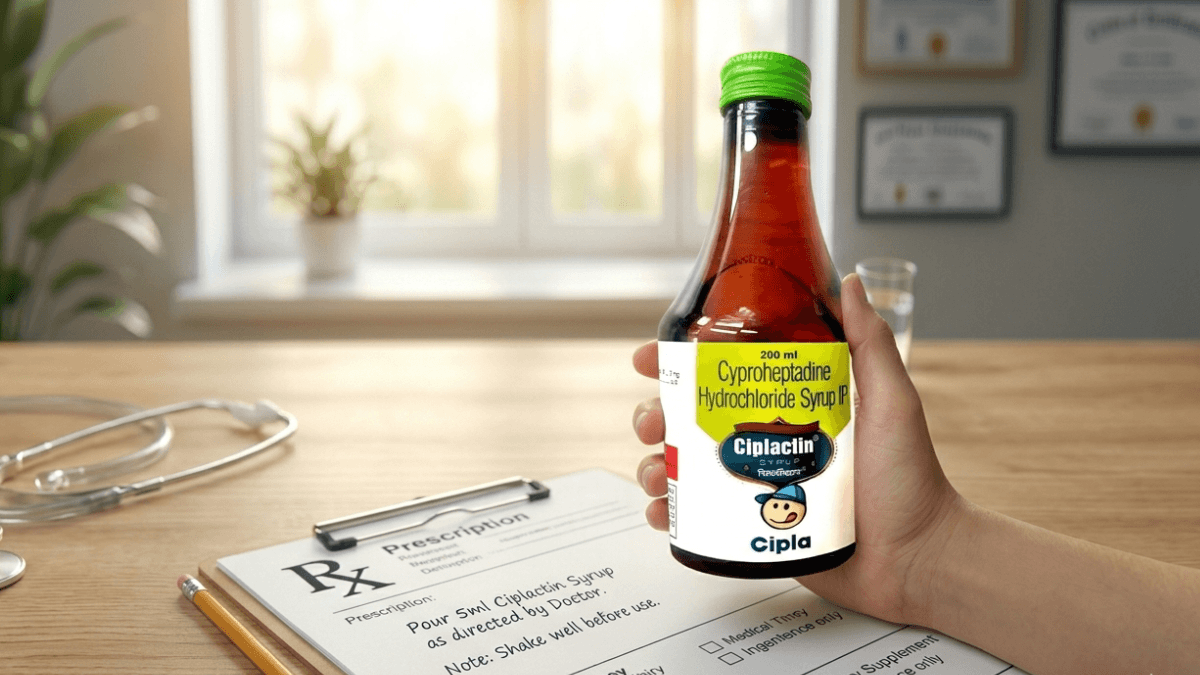
Patients prescribed Ciplactin Syrup for an allergy condition may have questions about how it works and whether it is suitable for their circumstances.
Cyproheptadine hydrochloride is the active ingredient found in Ciplactin Syrup, which is classified as an antihistamine medicine. It is commonly used to relieve allergy symptoms across different age groups.
The correct dose is one that your doctor or pharmacist will determine based on your individual needs. This guide explains what the medicine does and what to expect during treatment.
What Is Ciplactin Syrup?
A range of allergic conditions can be managed using Ciplactin Syrup, a liquid antihistamine formulation. It contains the active ingredient cyproheptadine hydrochloride at a strength of 2mg per 5ml.
Placed within the first-generation H1 antihistamine class, this medicine is one of several widely used in UK clinical practice for the management of allergy symptoms.
Medicine Detail Information
| Medicine Detail | Information |
|---|---|
| Brand Name | Ciplactin Syrup |
| UK Brand Name | Periactin Syrup |
| Active Ingredient | Cyproheptadine Hydrochloride |
| Strength | 2mg per 5ml |
| Drug Class | First-generation H1 antihistamine |
| Form | Oral syrup |
Prescription Status: Because Ciplactin Syrup holds prescription-only (POM) status, it requires a valid prescription before it can be dispensed. It is indicated for allergic rhinitis, urticaria, pruritus, and allergic conjunctivitis.
Typical Use: Allergic rhinitis, urticaria, pruritus, allergic conjunctivitis
Suitable For Adults and children aged 2 years and over
Because Ciplactin Syrup is a prescription-only medicine (POM), it must be taken exactly in accordance with the instructions provided by your doctor.
How Cyproheptadine Works in the Body
Histamine is the chemical released by the body when an allergic reaction occurs. By occupying histamine receptors, cyproheptadine prevents this chemical from producing its usual effects.
Symptoms including itching, sneezing, and a runny nose become less severe once histamine activity has been suppressed by the medicine. This helps patients feel more comfortable during allergy episodes.
Cyproheptadine also has mild anticholinergic and antiserotonergic properties. This can contribute to side effects such as dry mouth and drowsiness.
When Doctors Prescribe Ciplactin Syrup
Doctors prescribe Ciplactin Syrup for several allergic conditions. The medicine is used when patients experience moderate to bothersome allergy symptoms.
UK clinicians may also be familiar with this active ingredient through Periactin Syrup, a previously available British brand containing the same active ingredient.
Conditions it may be prescribed for include:
- Allergic rhinitis — pollen and dust are common triggers for allergic rhinitis, a condition marked by a runny nose, repeated sneezing, and itchy eyes.
- Urticaria — itchy, raised welts on the skin, particularly triggered by cold weather
- Pruritus — persistent skin itching and inflammation caused by allergic reactions
- Allergic conjunctivitis — red, watery, or itchy eyes due to environmental allergens
Before a prescription is issued, an assessment of the individual patient’s condition is carried out by the doctor. The dose will be tailored to your age, weight, and symptom severity.
Benefits of Ciplactin Syrup
Because allergy symptoms can interfere with everyday activities, effective relief from them — which Ciplactin Syrup is able to provide — can make a meaningful difference to daily wellbeing.
In cases of allergic conjunctivitis, patients may experience relief from watery and irritated eyes. Reducing eye discomfort helps patients manage everyday activities more easily.
Patients who find tablets difficult to swallow, including many children, may find the liquid formulation easier to take. This can improve treatment adherence and consistency.
Alternative Medicine Doctors May Consider
Doctors may consider other antihistamines depending on your condition and medical history. Symptom severity, the patient’s age, and relevant lifestyle factors are all considered when the most appropriate antihistamine is selected.
Alternatives in the same therapeutic class include:
- Periactin Syrup — a UK-recognised brand containing cyproheptadine hydrochloride 2mg, the same active ingredient found in Ciplactin Syrup
- Chlorphenamine (Piriton) — a first-generation antihistamine available in the UK
- Cetirizine — a second-generation antihistamine which produces less sedation than first-generation options and may be considered as an alternative
- Loratadine — a non-drowsy option suitable for daytime allergy management
- Fexofenadine — often preferred when drowsiness must be avoided
Second-generation antihistamines cause less drowsiness than Ciplactin Syrup. Your doctor will advise which option is most appropriate for your circumstances.
Possible Side Effects
Like any medicine, Ciplactin Syrup may cause side effects in some people, though not all patients will be affected. Being aware of what to look out for is an important part of taking this medicine safely.
Side Effects of Ciplactin Syrup
Common Side Effects
| Side Effect | What to Do |
|---|---|
| Drowsiness | Avoid driving or operating machinery |
| Dry mouth, nose, or throat | Stay hydrated; sip water regularly |
| Dizziness | Rise gradually from a seated or lying position |
| Nausea | Take the medicine alongside food to help reduce it |
| Headache | Rest; report to your doctor if it does not resolve |
| Chest congestion | Report to your doctor if worsening |
| Muscle weakness | Avoid strenuous activity; speak to your doctor |
Less Common Side Effects
| Side Effect | What to Do |
|---|---|
| Low blood pressure (hypotension) | Sit or lie down; inform your doctor promptly |
| Blurred vision | Avoid driving; report to your doctor |
| Vomiting | Stay hydrated; inform your doctor if persistent |
| Restlessness (particularly in children) | Contact your doctor without delay |
Seek Immediate Medical Help If You Notice
| Serious Symptom | Action Required |
|---|---|
| Facial or throat swelling with difficulty breathing | Call 999 immediately |
| Sudden severe rash | Seek urgent medical attention without delay |
| Extreme drowsiness or hallucinations | Call 999 or go to A&E immediately |
| Seizures or convulsions | Call 999 immediately |
| Shallow or laboured breathing | Call 999 immediately |
Contact your GP if you notice any serious symptoms developing, or call 999 without delay. Waiting to see whether symptoms improve on their own is not advisable.
Important Safety Advice
This section contains important information before taking Ciplactin Syrup. Any concerns about this medicine are best raised with your doctor or pharmacist after reading the patient information leaflet carefully.
Drug interactions
Ciplactin Syrup may interact with other medicines. Every medicine currently in use — whether prescribed, purchased over the counter, or herbal — must be disclosed to your doctor before treatment begins.
Medicines that may interact include:
- MAO inhibitors — combining these with cyproheptadine carries a serious risk. Do not take together.
- Propoxyphene — may increase sedative effects
- Sodium oxybate — may cause excessive drowsiness
- Amoxapine and aripiprazole may alter the effect of either medicine
- Topiramate and zonisamide — increased risk of side effects
Alcohol
The interaction between Ciplactin Syrup and alcohol is not fully established. Because alcohol can make certain side effects more pronounced, its consumption is best avoided for the full duration of treatment. Your doctor or pharmacist can advise further if needed.
Medical Conditions to Disclose
Tell your doctor if you have or have had any of the following before starting treatment.
- Narrow-angle glaucoma — this medicine has the potential to worsen the condition
- Kidney problems — cyproheptadine is filtered by the kidneys; dose adjustment may be needed
- Liver problems — the medicine is broken down by the liver; close monitoring is required
- Thyroid disorders — regular thyroid monitoring may be needed during treatment
- Asthma or COPD — this medicine may worsen breathing conditions
- Cardiovascular disorders — caution is required; report any unusual symptoms promptly
- Prostatic hypertrophy — this medicine can worsen urinary symptoms
Pregnancy
Because the safety of this medicine during pregnancy has not been fully established in all cases, the risks and benefits must be carefully discussed with your doctor. Medical guidance should always be obtained before use in pregnancy.
Breastfeeding
Whether cyproheptadine passes into breast milk has not been established, which is why this medicine is not recommended for use whilst breastfeeding. Your doctor may recommend a suitable alternative if you are breastfeeding.
Children
Children aged under two years should not be given this medicine. It is considered very unsafe for newborns and premature babies. For children, the dosing instructions provided by the doctor must be followed with particular care.
Elderly Patients
Because the risk of side effects is considerably higher in elderly or debilitated patients, Ciplactin Syrup is not regarded as a suitable choice for these groups. Extra caution is therefore warranted in this group. Your doctor may suggest a safer alternative.
Driving and Machinery
Because drowsiness, dizziness, and blurred vision may be experienced whilst taking this medicine, driving or operating heavy machinery should be avoided until the effects on the individual are fully understood. A clear understanding of how this medicine affects your concentration and reactions should be established before any activity requiring full alertness is attempted.
When Should You Speak to a Doctor?
- Any side effect that shows no improvement, or that becomes more pronounced as treatment continues, requires prompt discussion with your doctor.
- No improvement in your allergy symptoms after a few days
- A widespread rash, swelling anywhere on the body, or difficulty breathing may all point to a severe allergic reaction requiring immediate attention.
- Extreme drowsiness, a confused mental state, or hallucinations are symptoms that should prompt immediate contact with your doctor or emergency services.
- Symptoms that worsen suddenly during treatment
Should an overdose be suspected, emergency medical attention must be sought straight away. Delaying is not safe. Overdose symptoms include extreme drowsiness, dry mouth, hallucinations, and difficulty breathing.
Is It Safe to Take Ciplactin Syrup Alongside Other Medicines?
Prescribed medicines, over-the-counter products, and herbal supplements should all be disclosed to your doctor and pharmacist before treatment begins, allowing potential interactions to be identified.
Ciplactin Syrup carries a particularly significant interaction with MAO inhibitor medicines. These must never be taken together due to the risk of serious side effects.
A medicines review carried out by your pharmacist is a useful way to ensure that no potential interactions have been overlooked. Your pharmacist can advise on whether any current medicines are likely to interact with Ciplactin Syrup before treatment begins.
Storage and Handling Advice
- Store Ciplactin Syrup below 25°C, away from direct sunlight and heat
- When not in use, the bottle should be kept firmly sealed and stored in its original packaging, which provides protection against moisture.
- Children must not be able to see or reach this medicine at any time.
- Before taking it, the expiry date on the label should be checked to ensure the medicine is still within date.Using the medicine beyond this date is not safe
- Unused medicine should be returned to a local pharmacy for safe disposal rather than being placed in household waste
Responsible Access to Treatment
In the UK, Ciplactin Syrup carries prescription-only (POM) status. Before it can be dispensed, a clinical assessment must be completed by a registered doctor or pharmacist.
Prescription medicines must only be obtained from a registered pharmacy or regulated online service. Obtaining them from unregulated sources carries serious risks to health.
Frequently Asked Questions (FAQs)
Q: What is Ciplactin Syrup used for?
A: Containing cyproheptadine hydrochloride as its active ingredient, Ciplactin Syrup works by blocking histamine. This action reduces symptoms such as itching, sneezing, and a runny nose across a range of allergic conditions, including allergic rhinitis, urticaria, pruritus, and allergic conjunctivitis.
Q: Does Ciplactin increase appetite?
A: Yes, Ciplactin Syrup containing cyproheptadine 2mg is known to stimulate appetite in some patients. Because this effect is clinically recognised, medical guidance should always be sought before the medicine is used with this outcome in mind.
Q: Should Ciplactin Syrup be taken before or after food?
A: Because taking this medicine with food may help to reduce nausea, doing so is a sensible option for those who experience stomach discomfort. Both the timing and the dose of each administration are determined by your doctor or pharmacist and must be adhered to exactly as instructed.
Q: Is Ciplactin Syrup the same as Periactin Syrup? A: Both Ciplactin Syrup and Periactin Syrup contain cyproheptadine hydrochloride 2mg as their active ingredient. Periactin is the established UK brand name for this medicine. Always consult your pharmacist to confirm suitability for your condition.
Conclusion
Classified as a first-generation antihistamine, Ciplactin Syrup is indicated for use across a range of allergic conditions. It contains cyproheptadine hydrochloride and works by blocking histamine in the body. UK patients may recognise this medicine under the brand name Periactin Syrup, which contains the same active ingredient, cyproheptadine hydrochloride 2mg.
Whilst allergic rhinitis, urticaria, pruritus, and allergic conjunctivitis all respond well to this medicine, the risk of drowsiness means it must be used with care in certain patient groups.
Because correct use is essential to safe and effective treatment, Ciplactin Syrup must be taken exactly as your doctor has prescribed. Any concerns should be raised promptly with your GP or pharmacist.
References
- NHS. Antihistamines. www.nhs.uk
- MHRA. Cyproheptadine: product information. www.mhra.gov.uk
- Simons FE. Advances in H1-antihistamines. New England Journal of Medicine. 2004
Medical Disclaimer
This article is for informational purposes only and does not replace professional medical advice. Always consult a registered healthcare professional before starting or changing any treatment. If you experience a medical emergency, call 999 or attend your nearest A&E department immediately.