

Cephadex 500: How 500mg Cephalexin Fights Bacteria
Belonging to the first-generation cephalosporin class, Cephalexin 500 is an antibiotic prescribed for bacterial infections affecting the skin, chest, ears, urinary tract, and bones. The bacterial cell wall is directly targeted and broken down by this medicine. A valid prescription from a registered healthcare professional is required before this medicine can be dispensed. Colds, flu, and other viral infections cannot be treated by antibiotics. Cephalexin 500mg is designed for bacterial infections only.
Questions about how this medicine works are entirely natural when it has been prescribed for the first time. You might see it dispensed under different brand names, such as Keflex, in UK pharmacies. All contain the same active ingredient and work in exactly the same way.
A broad range of bacterial infections can be effectively managed with Cephalexin 500. Classified within the cephalosporin family, this medicine shares its mechanism with other antibiotics in that group. Because correct use and a clear understanding of the medicine work together to improve outcomes, both are worth knowing before starting treatment.
All essential information about this antibiotic is covered in the sections that follow. It covers how Cephalexin 500 works, what conditions it treats, possible side effects, and important safety advice for UK patients.
What Is Cephalexin 500?
Cephalexin 500 is a prescription-only antibiotic capsule. The active ingredient present in each capsule is cephalexin, supplied at a strength of 500mg. Within the antibiotic classification system, this medicine is placed in the first-generation cephalosporin group.
Doctors prescribe it to treat bacterial infections across several body systems. Because it is effective against numerous bacterial strains, Cephalexin 500 is considered a broad-spectrum antibiotic. Conditions caused by viruses, including colds, flu, and COVID-19, cannot be treated with this antibiotic.
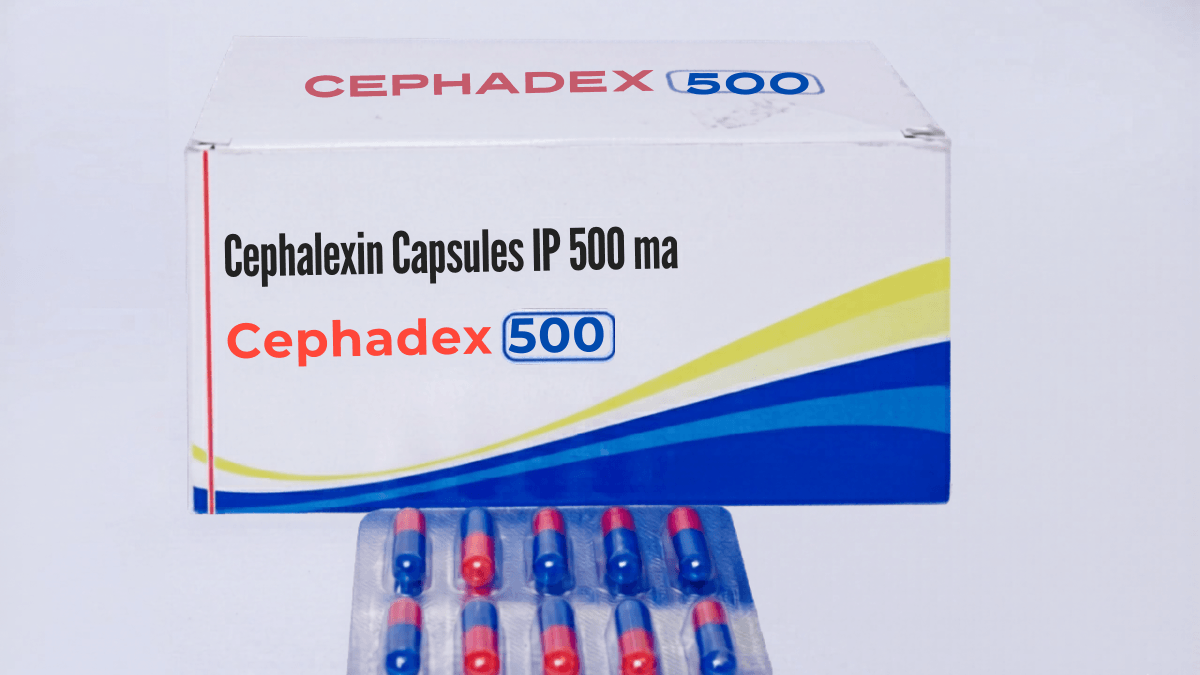
Key Medicine Information
| Field | Details |
|---|---|
| Medicine Class | First-generation cephalosporin antibiotic |
| Active Ingredient | Cephalexin |
| Strength | 500mg |
| Prescription Status | Prescription-only medicine (POM) |
| Typical Use | Bacterial infections of the skin, chest, ears, urinary tract, and bones |
| UK Brand Examples | Keflex |
How Cephalexin Works in the Body
Rather than merely inhibiting bacterial growth, Cephalexin 500 is bactericidal, meaning bacteria are actively destroyed by its action. Because the bacterial cell wall is targeted and broken down, bacterial growth is brought to a halt.
Bacteria need a substance called peptidoglycan to maintain their cell walls’ strength and integrity. Cephalexin blocks the enzymes that bacteria use to produce peptidoglycan. Without this substance, the bacterial cell wall weakens and breaks apart.
Once the cell wall collapses, the bacteria die. Your immune system then clears the remaining infection. Because the cell wall is a shared structural feature across many bacterial species, this mechanism accounts for the medicine’s wide clinical effectiveness.
When Doctors Prescribe Cephalexin 500
Doctors prescribe Cephalexin 500 for a wide range of bacterial infections. Both gram-positive and several gram-negative bacterial strains are susceptible to the action of this medicine.
The infections most frequently managed with this antibiotic are outlined below.
Respiratory Tract Infections
Cephalexin 500 treats infections of the throat, tonsils, airways, and lungs. This includes pharyngitis, tonsillitis, bronchitis, and certain types of pneumonia. Before a prescription is issued, confirmation that the infection is bacterial in origin is required from your doctor.
Ear Infections
Middle ear infections, clinically referred to as otitis media, are among the conditions routinely treated with this antibiotic. Children represent the group most frequently affected by this type of infection. When treatment is started promptly, the risk of the infection spreading to surrounding areas is significantly reduced.
Skin and Soft Tissue Infections
Skin infections caused by bacteria are among the conditions for which Cephalexin 500mg has shown reliable clinical benefit. These include cellulitis, impetigo, infected wounds, and post-surgical skin infections. Among antibiotics prescribed for skin infections across the UK, this medicine ranks among those most frequently selected by clinicians.
Bone Infections
Mild bone infections attributable to organisms such as Staphylococcus aureus may be managed with a course of Cephalexin 500, as determined by a doctor. These cases are carefully monitored throughout treatment.
Urinary Tract and Reproductive Infections
Cephalexin 500 treats bladder, kidney, and prostate infections. Your doctor will confirm the bacteria involved before prescribing.
Dental Infections
It is used for dental abscesses, gum infections, and infection control following dental procedures. Always take it exactly as your dentist or doctor instructs.
Benefits of Cephadex 500
Broad-Spectrum Coverage
Suitability across a broad range of common bacterial infections is achieved because this antibiotic acts against numerous bacterial strains. Among the organisms susceptible to this medicine are Staphylococcus aureus, Streptococcus pneumoniae, and Haemophilus influenzae, alongside several additional species.
Well-Established Safety Record Cephalexin has been used in UK clinical practice for decades. Its safety profile is well understood by doctors and pharmacists. This makes it a reliable first-choice antibiotic for many infections.
Convenient Dosing
Cephalexin 500mg comes as an oral capsule. It can be taken with or without food, so mealtimes do not need to be planned around the dose. This makes it straightforward for most patients to fit into their daily routine.
Effective Bacterial Clearance
When taken correctly for the full prescribed course, Cephalexin 500 clears most target infections reliably. Because stopping treatment early allows surviving bacteria to multiply again, completing every dose of the prescribed course is essential.
Alternative Medicines Doctors May Consider
Selection of the appropriate antibiotic is guided by both the nature of the infection and the specific bacteria responsible. Should this antibiotic be unsuitable for a particular patient, alternative options within the cephalosporin or related classes may be considered by the prescribing doctor.
Amoxicillin is a penicillin-based antibiotic sometimes used for similar infections. Flucloxacillin is often preferred for certain skin infections in the UK. For patients allergic to penicillin and cephalosporins, doctors may prescribe erythromycin or clarithromycin instead.
The choice of antibiotic is determined by your doctor after a careful assessment of your individual clinical presentation. Never switch antibiotics without medical advice. Learn more about antibiotic treatment options by speaking to your GP or pharmacist.
Possible Side Effects of Cephadex 500
Like any medicine, Cephalexin 500 can cause side effects. Most people tolerate Cephalexin 500mg well. Any mild side effects usually clear up on their own after the treatment course ends.
| Side Effect | Frequency | What to Do |
|---|---|---|
| Diarrhoea | Common | Stay hydrated; inform your doctor if severe |
| Nausea | Common | Take the capsule with food to reduce symptoms |
| Vomiting | Common | Report to your doctor if it does not settle |
| Indigestion | Common | Take with food to reduce discomfort |
| Stomach pain | Common | Usually mild; inform doctor if worsening |
| Skin rash | Common | Stop and contact your doctor immediately |
| Anaphylaxis (severe allergic reaction) | Rare | Seek emergency medical attention immediately — symptoms include facial/throat swelling, difficulty breathing, and pronounced rash. Do not wait to see if symptoms improve. |
Prolonged use of Cephalexin 500 may allow resistant bacteria or fungi to grow. This is called a secondary infection. Contact your doctor if you develop new symptoms during treatment.
Important Safety Advice
Allergies
Tell your doctor about any antibiotic allergies before starting Cephalexin 500. Because penicillin and cephalosporins share some structural similarities, a degree of cross-reactivity is possible. Any known penicillin allergy must be disclosed to your doctor before starting this medicine. Your doctor will assess this before prescribing.
Kidney and Liver Problems
Cephalexin is processed by the kidneys. Patients with kidney or liver problems may need a lower dose. Existing kidney or liver conditions must be discussed with your doctor, as these may influence how the medicine is processed by the body.
Pregnancy and Breastfeeding
Avoid Cephalexin 500 during pregnancy or breastfeeding unless your doctor has specifically prescribed it. Before prescribing, your doctor will carry out a careful assessment of the benefits and any possible risks for you personally.
Children Under Five
Children under five years of age should not be given Cephalexin 500mg capsules. A doctor will advise on an appropriate alternative formulation for younger children.
Porphyria (Metabolic disorder)
Do not take Cephalexin 500 if you have porphyria. This is a hereditary metabolic condition. Cephalexin can trigger serious complications in patients with this condition.
Bowel and Digestive Conditions
A history of bowel disease or intestinal inflammation is clinically relevant and should be shared with your doctor prior to starting this antibiotic. Should severe diarrhoea accompanied by abdominal pain develop at any point during treatment, your doctor should be contacted without delay.
Medicine Interactions
Cephalexin 500 has a clinically significant interaction with zinc acetate. Do not take zinc supplements alongside this antibiotic without medical guidance. All medicines currently being taken, including over-the-counter preparations, food supplements, and vitamins, must be shared with both your doctor and pharmacist.
Antibiotic Resistance
Because unnecessary antibiotic use is a leading driver of antibiotic resistance, self-medicating with these medicines must be avoided at all times. As resistance develops, previously treatable infections become increasingly difficult to manage effectively. Only use Cephalexin 500 when prescribed by a qualified registered healthcare professional.
Alcohol and Lifestyle
Alcohol is best avoided during the course of treatment. The body’s natural capacity to combat infection can be impaired by alcohol consumption, which may also intensify certain side effects experienced during treatment. Smoking is best avoided throughout the treatment period.
Diet Advice
Because antibiotics act broadly, the beneficial bacteria naturally present in the gut may be disrupted during the course of treatment. Incorporating probiotic-rich foods such as yoghurt and kefir into the diet while taking antibiotics may help support gut health. Eat fibre-rich foods including wholegrains, pulses, and berries. Grapefruit and grapefruit juice are best avoided during treatment, as interference with the absorption of the antibiotic has been reported.
When Should You Speak to a Doctor?
Any of the following symptoms arising during the course of treatment should prompt contact with your doctor or pharmacist without delay.
- Severe or persistent diarrhoea with abdominal pain
- A skin rash that develops after starting the medicine
- Symptoms that show no sign of improvement within 48 to 72 hours of beginning treatment
- Any swelling affecting the face, lips, or throat
- Breathing or swallowing that becomes difficult or laboured
- Blood in the urine
- Symptoms that worsen despite taking the antibiotic
In the event that an overdose is suspected, call 999 or attend your nearest A&E department immediately. Overdose symptoms include nausea, vomiting, diarrhoea, stomach pain, and blood in the urine.
Can Cephalexin 500 Be Used With Other Medicines?
Every medicine currently in use, including herbal remedies, over-the-counter products, and nutritional supplements, must be disclosed to your doctor and pharmacist before treatment begins.
The known severe interaction with zinc acetate means these should not be combined without medical supervision. Long-term use of Cephalexin 500 alongside other medicines may require monitoring by your doctor or pharmacist.
See available antibiotic treatment options and read our guide on responsible antibiotic use for further information.
Storage and Handling Advice
- Store Cephalexin 500mg in a cool, dry place, away from direct sunlight
- Retaining the medicine in its original packaging provides protection against moisture
- All medicines, including this one, must be stored where children cannot access them
- Once the expiry date shown on the packaging has been reached, the capsules must not be taken
- Return unused or expired capsules to your local pharmacy for safe disposal
- Do not dispose of medicines down the sink or in household waste
Responsible Access to Medicine
Cephalexin 500 is a prescription-only medicine. Because this medicine is prescription-only, it may not be obtained without a valid prescription issued by a registered healthcare professional.
You must obtain medicine with a valid prescription from a registered healthcare professional. Obtaining and using antibiotics without a prescription contributes directly to antibiotic resistance, which represents a growing and serious public health challenge.
Before initiating or altering any antibiotic treatment, guidance from a qualified UK-registered healthcare professional should always be sought.
FAQs
Q: What conditions is cephalexin 500 mg prescribed to treat?
A: Cephalexin 500mg treats bacterial infections. These include skin, chest, ear, urinary tract, and bone infections. It also treats dental and throat infections. Always take it as prescribed.
Q: Is cefalexin a strong antibiotic?
A: Cefalexin is a moderate-strength antibiotic. It effectively treats many common bacterial infections. It is not the strongest available. The right strength is determined by your doctor after assessing both the type of infection and how severe it is.
Conclusion
Cephadex 500 is a trusted and effective first-generation antibiotic. Bacterial infections affecting the skin, chest, ears, urinary tract, and bones are all within the range of conditions for which this antibiotic may be prescribed. It works by destroying the bacterial cell wall, killing the infection at its source.
Taking the full prescribed course is essential. Even when symptoms have resolved, stopping the course of antibiotics before completion increases the risk of recurrence and contributes to the development of antibiotic resistance. Your doctor’s instructions should be followed precisely throughout the duration of treatment.
Any concerns regarding this medicine can be discussed with your GP or a registered pharmacist, both of whom are well placed to offer guidance. They can confirm whether it is the right treatment for your specific infection and guide you through safe, responsible use.
References
- NHS — Antibiotics: Overview and Responsible Use. nhs.uk
- NICE — Antimicrobial Prescribing Guidelines for Common Infections
- MHRA — Antibiotic Medicines: UK Regulatory Information
Medical Disclaimer
This article is for informational purposes only and does not replace professional medical advice. Always consult a registered healthcare professional before starting or changing any treatment. If you are concerned about your symptoms or medicines, speak to your GP, specialist, or a registered pharmacist.