
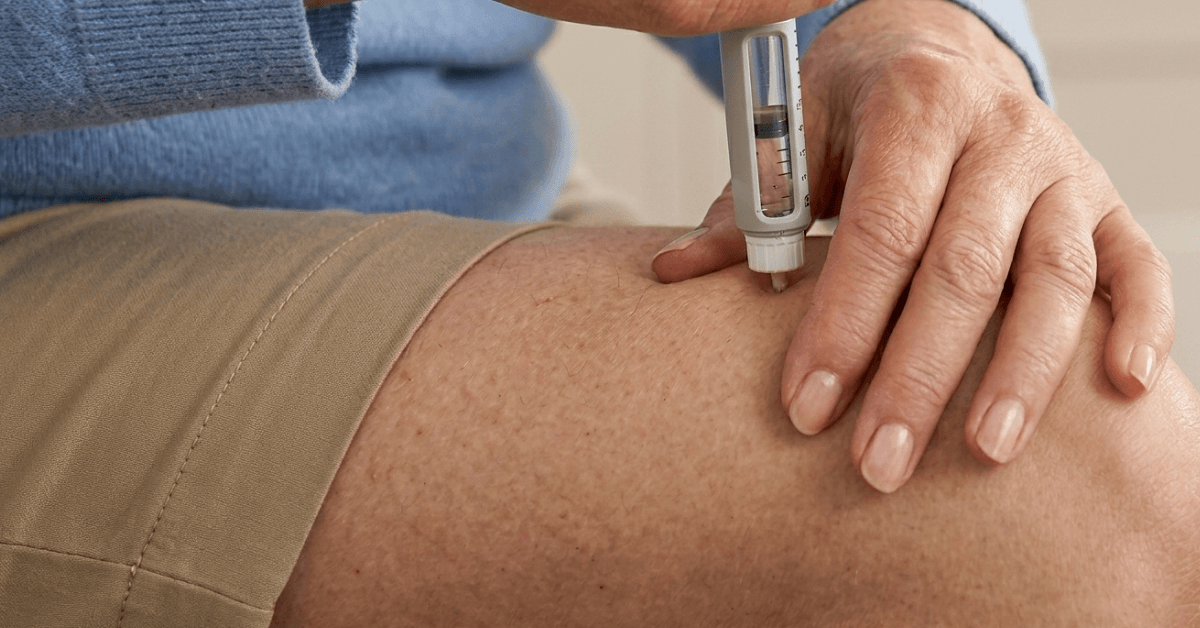
Lirafit 6mg: Control Blood Sugar With Liraglutide
Lirafit contains liraglutide, a GLP-1 receptor agonist available as a 6 mg/mL subcutaneous injection. The medicine is a prescription medicine in the UK. Learn how it works, its benefits, side effects, and safety advice. Medicine uses to treat blood sugar in adults with type 2 diabetes and ongoing weight management in adults with obesity. By mimicking the body’s natural GLP-1 hormone, it delivers these therapeutic effects.
Lirafit and UK Brands
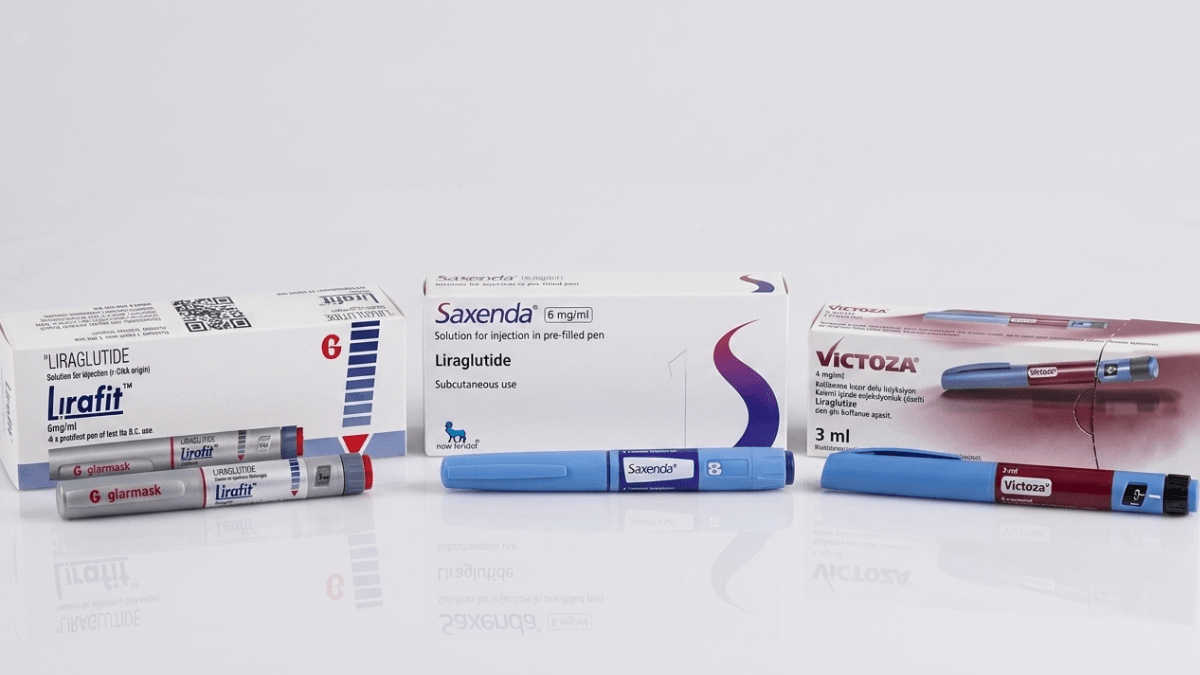
Lirafit contains the same active ingredient, liraglutide, as two established UK-authorised brands.
The table below outlines the key differences.
| Feature | Lirafit | Saxenda (UK) | Victoza (UK) |
|---|---|---|---|
| Active Ingredient | Liraglutide | Liraglutide | Liraglutide |
| Strength | 6 mg/mL | 6 mg/mL | 6 mg/mL |
| Prescription Status | POM | POM | POM |
| Administration | Subcutaneous injection | Subcutaneous injection | Subcutaneous injection |
All three medicines deliver the same active ingredient at the same concentration. The dose and indication differ depending on the clinical condition being treated. Always use the brand your prescriber has authorised for your specific condition.
Mechanism of Action
Sharing 97% structural similarity with the human GLP-1 hormone, liraglutide is closely modelled on a naturally occurring compound in the body. It binds selectively to GLP-1 receptors in the pancreas, gut, and brain.
Only when blood glucose levels are elevated does the pancreas respond by releasing insulin, meaning unnecessary secretion at normal sugar levels is avoided. This glucose-dependent process prevents unnecessary insulin release at normal sugar levels. It simultaneously suppresses glucagon, the hormone that raises blood sugar.
Because gastric emptying is slowed by liraglutide in the gastrointestinal tract, the passage of food from the stomach into the small intestine becomes more gradual. This helps moderate post-meal glucose rises and reduce blood sugar spikes.
Acting on the hypothalamus and brainstem, liraglutide reduces appetite while promoting a prolonged sense of fullness. Over time, this leads to a natural reduction in daily calorie intake. Together, these mechanisms work across multiple systems, making liraglutide clinically effective for both blood sugar control and sustained weight reduction.
Because insulin release is glucose-dependent, liraglutide does not stimulate insulin when blood sugar is normal. This significantly reduces the risk of hypoglycaemia when used alone.
Clinical Uses
Lirafit is a prescription-only medicine indicated for the following conditions:
- Type 2 diabetes mellitus — when dietary changes, physical activity, and other medicines have proved insufficient, liraglutide is prescribed alongside these measures to improve glycaemic control in adults with type 2 diabetes
- Cardiovascular risk reduction — for adults living with both type 2 diabetes and established cardiovascular disease, liraglutide is prescribed to lower the risk of serious cardiovascular events such as heart attack and stroke
- Chronic weight management — adults with a BMI of 30 kg/m² or above may be prescribed liraglutide for chronic weight management. Eligibility may extend to adults carrying a BMI of 27 kg/m² or above, provided at least one weight-related health condition is also present such as hypertension, dyslipidaemia, or type 2 diabetes
- Paediatric use — liraglutide is approved for diabetes management from age 10 and for obesity management from age 12, subject to specialist assessment
Liraglutide works best when supported by lifestyle changes. Because liraglutide is most effective when paired with healthy habits, dietary changes and regular physical activity are expected to be sustained throughout the full period of treatment. It supports lifestyle intervention rather than replacing it.
Safety Information
| Category | Side Effect | Notes |
|---|---|---|
| Common Side Effects | Nausea, vomiting, diarrhoea | Frequently reported, particularly during dose escalation |
| Constipation, heartburn, reduced appetite | Frequently reported, particularly during dose escalation | |
| Headache, fatigue, dizziness | Frequently reported, particularly during dose escalation | |
| Injection site reactions: redness, bruising, or itching | Frequently reported, particularly during dose escalation | |
| Transient resolution | These effects typically resolve within the first four to eight weeks | |
| Management tips | Rotating the injection site and eating smaller meals may reduce gastrointestinal symptoms | |
| Serious Side Effects | Severe or persistent upper abdominal pain radiating to the back | Possible pancreatitis — seek urgent medical attention |
| Yellowing of the skin or eyes, pale stools, or dark urine | Possible gallbladder or liver disorder — seek urgent medical attention | |
| Swelling of the face, lips, tongue, or throat; difficulty breathing or swallowing | Anaphylaxis or severe allergic reaction — seek urgent medical attention | |
| A lump or swelling in the neck, difficulty swallowing, or persistent hoarseness | Possible thyroid abnormality — seek urgent medical attention | |
| Shakiness, sweating, palpitations, and confusion | Symptoms of hypoglycaemia when used alongside insulin or sulfonylureas — seek urgent medical attention | |
| New or worsening depression, mood changes, or thoughts of self-harm | — seek urgent medical attention |
MHRA Yellow Card Scheme
Any suspected reaction to liraglutide must be reported using the MHRA Yellow Card scheme, which exists to support the ongoing safety monitoring of medicines across the UK.
Safety Advice
Who Should Not Use Lirafit
Where medullary thyroid carcinoma or Multiple Endocrine Neoplasia syndrome type 2 (MEN 2) appears in a personal or family medical history, liraglutide is not considered a suitable treatment option. Because safety during pregnancy and breastfeeding has not been confirmed, liraglutide is not permitted for use during either of these periods. Throughout treatment, effective contraception is strongly advised for women of childbearing potential, who should also inform their prescriber immediately should pregnancy occur.
Medical Conditions to Disclose
Inform your prescriber before starting Lirafit if you have a history of pancreatitis, gallstones, gastroparesis, significant liver impairment, or renal impairment. Patients with severe hypertriglyceridaemia carry an elevated risk of pancreatitis whilst using liraglutide and require close monitoring. Dehydration, which may occur during episodes of vomiting or diarrhoea, can impair renal function and should be addressed promptly.
Drug Interactions
Lirafit slows gastric emptying and may alter the absorption of orally administered medicines. Medicines with a narrow therapeutic index, including digoxin, certain anticoagulants, and some hormonal contraceptives, may require timing adjustments. Because the risk of hypoglycaemia rises when liraglutide is taken alongside insulin or sulfonylureas, careful monitoring is required during concurrent use. Dose reductions of those medicines may be necessary. Always provide your prescriber and pharmacist with a complete and current medicines list, including over-the-counter medicines and supplements.
Alcohol
Alcohol consumption should be minimised whilst taking Lirafit. Alcohol independently lowers blood glucose and potentiates hypoglycaemic risk in patients also prescribed insulin or sulfonylureas. Heavy or binge alcohol use elevates the risk of acute pancreatitis, which is a serious contraindication in patients on liraglutide. Alcohol intake should be discussed openly with the prescriber, as it may influence treatment outcomes and safety.
Pregnancy and Breastfeeding
Lirafit is not recommended during pregnancy. Animal studies have identified evidence of foetal harm, which is why particular caution is advised for women who are or may become pregnant. As sufficient safety data in humans is not yet available, caution is strongly advised. If a patient becomes pregnant whilst on treatment, liraglutide must be discontinued immediately and alternative diabetes management initiated. Whether liraglutide passes into human breast milk remains unknown. Because the safety of liraglutide in breastfeeding has not been established, its use during this period is not advised.
Dependence and Long-Term Use
Lirafit does not carry a recognised risk of physical dependence or misuse. It may be used long-term under continued medical supervision. Treatment should be reviewed regularly by the prescribing clinician, with assessment of therapeutic response, tolerability, and any emerging comorbidities. Weight management treatment should be discontinued if a patient has not achieved at least 4% reduction in body weight after 16 weeks at the maintenance dose.
Accessing Treatment Responsibly
You must obtain medicine with a valid prescription from a registered healthcare professional. Providing it through any other means is not permitted under UK law.
Patients must not obtain injectable liraglutide from unregulated online sources. Counterfeit or unlicensed products may contain harmful substances and pose serious safety risks.
A prescriber will assess your full medical history, current medicines, BMI, cardiovascular risk, and contraindications before authorising treatment. Safe and effective liraglutide therapy depends on attending regular follow-up appointments. Through scheduled follow-up appointments, the prescriber is able to track treatment progress and respond to any concerns that may arise.
Frequently Asked Questions
Q: Is liraglutide safe for weight loss?
A: Liraglutide is clinically approved for weight management in eligible adults. When used under proper medical supervision, liraglutide is considered safe. Because side effects can arise, ongoing oversight by a registered prescriber is essential throughout the course of treatment.
Q: Is Lirafit injection safe?
A: Like any medicine, Lirafit injection is considered safe when used as directed by a prescriber. Being a regulated prescription-only medicine in the UK, legal supply is only possible after a qualified prescriber has carried out a proper clinical assessment. Follow all guidance given and Contact your GP if you notice any unusual symptoms.
Conclusion
Lirafit (liraglutide 6 mg/mL) is a prescription medication for type 2 diabetes, heart health, and weight control. It mimics the body’s GLP-1 hormone to regulate insulin, curb appetite, and balance blood sugar levels. Safe use entails following the prescribed dose schedule, making lifestyle modifications, and alerting the prescriber to any unusual symptoms. Consult a UK healthcare professional before any changes in treatment.
References
- NHS. Liraglutide. www.nhs.uk
- MHRA. Victoza and Saxenda: Summary of Product Characteristics. www.gov.uk/mhra
- NICE. Type 2 diabetes in adults: management. NG28. www.nice.org.uk
Medical Disclaimer
This article is for informational purposes only and does not replace professional medical advice. Always consult a registered healthcare professional before starting or changing any treatment.