

Erectile dysfunction (ED) is far more widespread than many men realise. Erectile dysfunction symptoms are common, just as premature ejaculation (PE) is a frequent, everyday experience. Doctors define this condition as an ongoing difficulty in achieving or keeping an erection firm enough for satisfying intercourse. Because the erection cannot be gained or held firmly enough, satisfying intercourse becomes difficult to achieve. These conditions often occur together, and they are nothing to be ashamed of. Seeking help is the first step toward improving your wellbeing and your confidence.
The Science of Erectile Dysfunction Symptoms
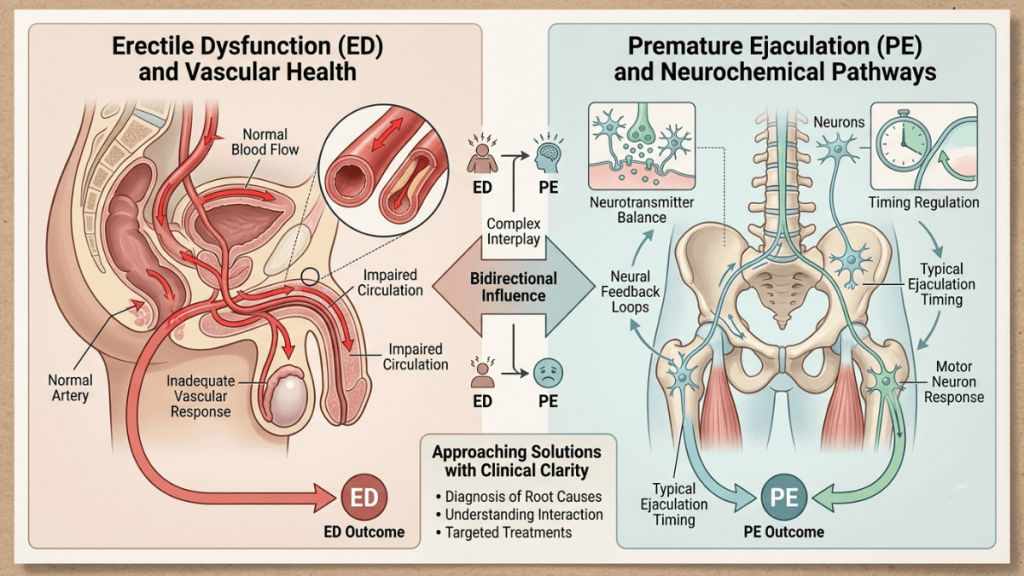
ED and PE are complex conditions that have very different underlying triggers. ED is often related to blood flow, in which the body struggles to maintain adequate circulation.
In contrast, PE is frequently related to neurochemical pathways that influence the timing of an ejaculation.
Because these two conditions have distinct causes, they must be approached with clinical clarity. Before a solution can be found, the way these two conditions interact needs to be understood.
Crucially, ongoing erectile dysfunction symptoms are frequently an early warning sign for silent, underlying health conditions. Doctors often view ED as a potential indicator of early cardiovascular disease, high blood pressure, or undiagnosed type 2 diabetes
The Importance of a Professional Assessment
These conditions can indicate other health concerns, such as:
- Heart health issues
- Diabetes
- Psychological stress
Because the causes are complex, no single treatment approach will suit every patient. A professional assessment is vital to your safety and health.
A qualified doctor will look beyond just the erectile dysfunction symptoms you are experiencing. They will review your medical history and lifestyle to understand the full picture.
This clinical assessment typically involves checking your blood pressure, reviewing your cardiovascular risk, and ordering basic blood tests such as blood sugar, lipid profile, and morning testosterone levels to identify the root cause. This thorough process ensures that any intervention is both safe and effective for your body.
The Safe Next Step
If you are struggling with these Erectile Dysfunction symptoms, the safest first step is to speak with a GP. A doctor can review your medical history, check for underlying health issues, and provide personalised guidance. If appropriate, they can design a treatment plan that may include co-prescribing licensed, proven therapies tailored to your body.
In UK primary care, this structured plan may involve lifestyle recommendations combined with licensed first-line pharmacological options, such as generic sildenafil, prescribed safely according to your health profile.
Frequently Asked Questions
Q: Can a woman cause erectile dysfunction?
A: A partner cannot cause erectile dysfunction, and this remains a common misunderstanding worth addressing. Whether the underlying cause is physical or psychological, ED is classified as a genuine medical condition rather than a reflection of the relationship.
Q: Can erectile tissue heal on its own
A: With time and adjustments to lifestyle, mild tissue injury can sometimes be resolved naturally. When symptoms persist, though, an assessment by a doctor becomes necessary — this is how the underlying cause can be properly identified and treated.
Conclusion
Looking for a solution to erectile dysfunction symptoms? Safety, effectiveness, and legality can only be guaranteed when regulated, professional medical help is sought. Do not attempt to self-diagnose or obtain medicines from unregulated sources. Only medicines licensed by the MHRA and supplied via a registered pharmacy should be used. Professional guidance ensures you receive the right care for your unique situation.
References
Medical Disclaimer
This content serves an informational purpose only; it is not a replacement for advice given by a registered healthcare professional. Always consult a registered healthcare professional before starting or changing any treatment.