
Testosterone is a hormone replacement medicine used to treat clinically diagnosed hypogonadism. The body’s natural supply falls short in some men. This treatment steps in, replacing the hormone that is lacking. It is a treatment that must be managed by a specialist to ensure patient safety and clinical effectiveness.
Key Takeaways
- Because it is a controlled medicine, testosterone cannot simply be requested. A formal clinical assessment by a specialist is required first.
- Different formulations use specific esters that dictate how the medicine is absorbed and dosed.
- Dosages are not universal; they are strictly determined by blood tests and individual medical needs.
- Always use UK-authorised medicines to ensure purity, sterility, and accurate, consistent dosing.
What Is Testosterone?
Testosterone is a vital hormone that supports muscle mass, bone health, and mood in men. When the body produces low levels of this hormone, a doctor may recommend replacement therapy. This is medically known as androgen replacement therapy.

This treatment is strictly regulated in the UK. Doctors monitor patients closely to ensure the dose matches their specific clinical requirements. You may see various brand names, but the focus must remain on the active ingredient and the doctor’s plan.
How Testosterone Works in the Body
Testosterone is a potent androgen that binds to cellular receptors throughout the body. This process promotes protein synthesis, maintains muscle mass, and supports essential masculine characteristics.
Esters are chemical compounds attached to the hormone. They are used across different injectable formulations to control how the hormone is released. These esters dictate how quickly the hormone enters your bloodstream and how long it remains active.
A medicine’s strength, such as 25 mg or 250 mg, cannot be compared by the number alone. The clinical effect depends entirely on the specific ester and its pharmacokinetic profile.
Sustanon 250 (UK Standard)
This is a UK-authorised blend of four distinct testosterone esters. This means the hormone enters the system gradually. A steady, sustained release is the intended result, rather than a sudden surge. This allows for less frequent dosing intervals under clinical supervision.
Low-Dose Formulations (25 mg)
These often contain a single short-acting ester. They are typically designed for rapid absorption and require more frequent administration to maintain stable levels.
It is a common misconception that a higher milligram strength is “stronger.” In reality, a 250 mg dose of a long-acting ester and a 25 mg dose of a fast-acting ester serve different therapeutic purposes.
Your doctor selects the specific formulation and strength that aligns with your individual blood markers and clinical goals.
Never attempt to compare these products based on concentration or brand reputation. Always follow the precise formulation and administration schedule prescribed by your healthcare professional.
When Doctors Prescribe Testosterone
Doctors only prescribe this treatment after a formal diagnosis of hypogonadism. Confirmation of low levels typically requires at least two separate blood tests, each one taken in the morning.
Specialists also rule out other underlying health conditions before starting therapy. It is not a lifestyle product. It is a targeted medical intervention used to restore hormonal balance for men whose bodies cannot do so naturally.
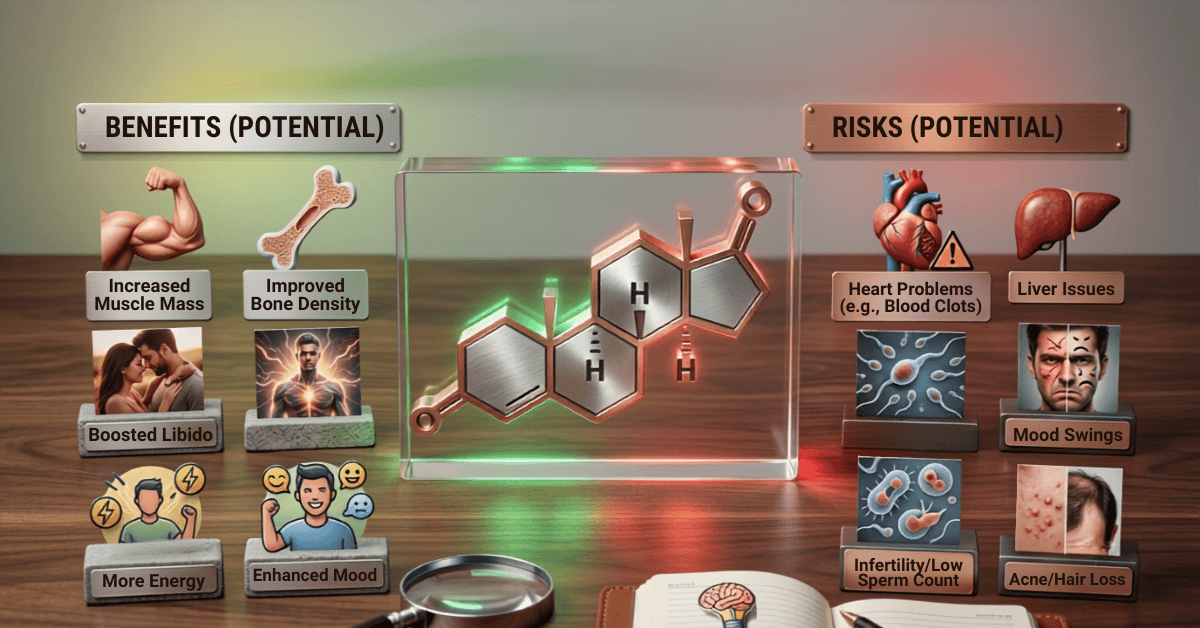
Benefits of Testosterone Treatment
Patients often report improvements like:
- Energy
- Mood
- Physical strength
When their levels are restored to a healthy range.
These benefits are closely monitored through regular clinical reviews.
By maintaining stable hormone levels, the treatment can help support bone density and improve overall quality of life. This process is highly controlled to prevent the risks associated with hormone fluctuations or misuse.
Possible Side Effects
Every medicine carries some degree of risk, however small. This means side effects, though not guaranteed, remain a possibility with any medicine.
| Category | Reported Effects |
|---|---|
| Common reports | Local skin irritation; Pain at the injection site |
| Also reported | Fluid retention or changes in mood |
| Common | Headache, nausea, or injection site soreness |
| Serious | Cardiovascular changes, respiratory issues, or changes in red blood cell counts |
Signs of an allergic reaction or severe discomfort should never be ignored. Seek medical help immediately if these occur. Please report any adverse reactions via the MHRA Yellow Card scheme.
Important Safety Advice
Testosterone can interact with other medicines, including:
- Blood thinners
- Certain diabetic treatments
Always inform your doctor of every medicine you currently take.
Alcohol can impact how your body processes hormones. It is generally advised to limit alcohol intake during your treatment programme.
Disclose your full medical history, including any history of prostate or heart conditions. These factors are critical for your safety and your doctor’s decision-making.
Dependence is a risk when hormones are misused. Follow your prescribed dose strictly to avoid long-term hormonal disruption.
Storage and Handling
Keep your medicine in its original packaging to protect it from light and moisture. Always store it in a cool, dry place out of the reach of children.
Never share your medicine with others. Only use the product prescribed specifically for you by your healthcare professional.
Accessing Treatment Responsibly
You should only access testosterone through authorised, regulated pathways.
Because treatment decisions carry real consequences, a qualified UK healthcare professional should always be consulted first, whether starting or changing a course of care.
Frequently Asked Questions
Q: Does testosterone make my voice deeper?
A: Testosterone therapy can deepen the voice in those who have not experienced male puberty. It typically does not change the voice pitch in adult males who have already matured.
Q: How to lower blood pressure while on testosterone
A: Maintain a healthy diet and regular exercise. Should your blood pressure rise, your doctor must be contacted immediately. Do not change your medicine dose without seeking professional medical advice first.
Conclusion
Testosterone is an essential treatment when managed under strict medical supervision. Focus on the science of your specific treatment plan rather than comparing brand names or dosages. Working closely with your clinician helps keep your care safe and effective, tailored specifically to your health needs.
References
- Imperial College London: Testosterone Efficacy & Safety
- British Menopause Society: Testosterone replacement in menopause
Medical Disclaimer
This article is for informational purposes only and does not replace professional medical advice. Always consult a registered healthcare professional before starting or changing any medical treatment.
Meta DEscription
Learn how testosterone replacement therapy works, why formulations and dosages vary, and the importance of clinical safety. Always consult a GP.