

Description
Buy Lirafit Injection for Proven Type 2 Diabetes Control
Lirafit is a prescription injectable medication. Frequently recommended for the long-term control of type 2 diabetes, aiding with blood glucose regulation through lifestyle modifications.
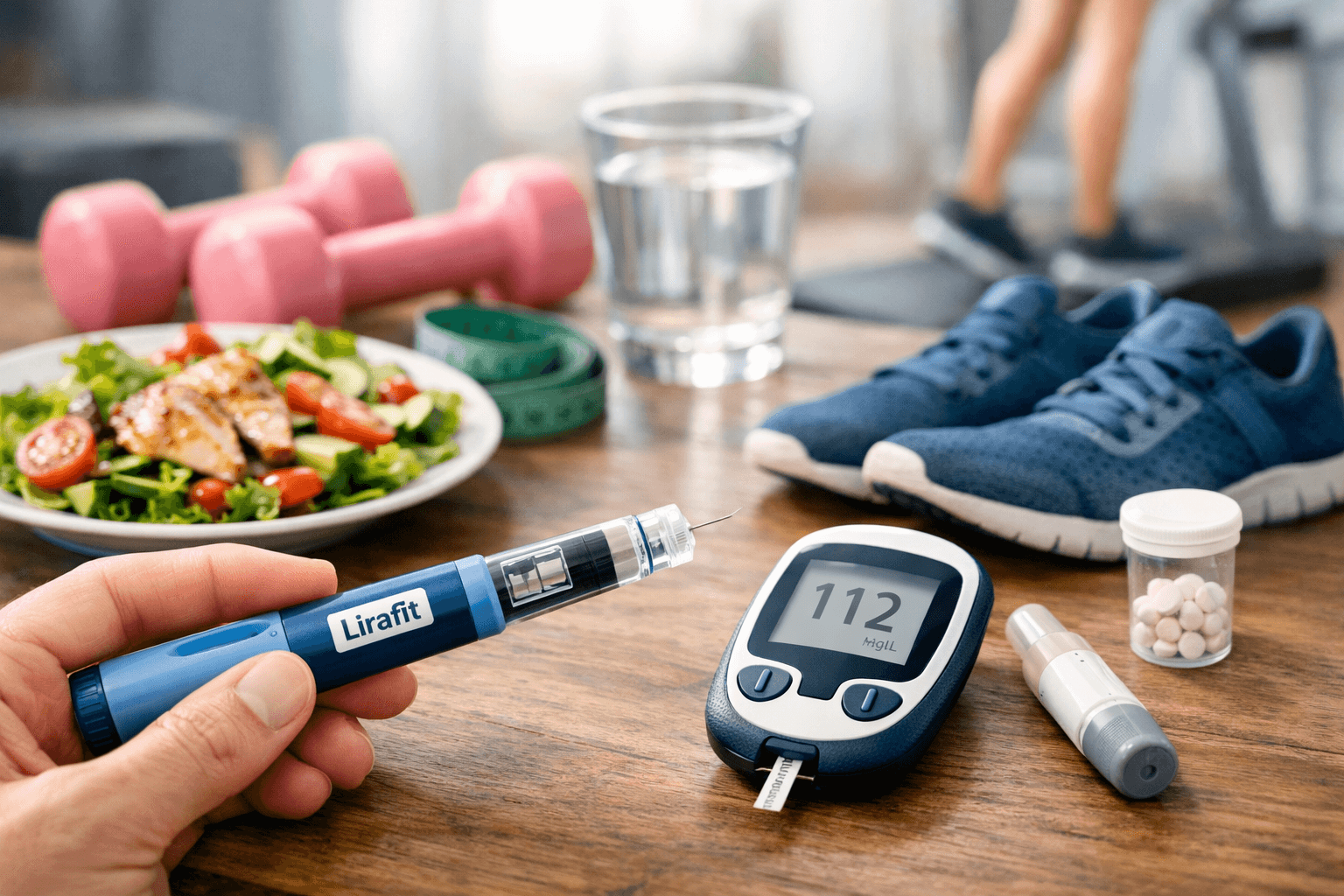
 Composition
Active Ingredient:
- Liraglutide – 6 mg/mL
 Manufacturer
Glenmark Pharmaceuticals Ltd
 Expiry
Both the injection pen and the outside box have the expiry month and year printed on them. Do not use Lirafit inj beyond the stated expiry date.
About Lirafit
Lirafit injection contains liraglutide, a long-acting glucagon-like peptide-1 (GLP-1) receptor agonist.
As part of a complete diabetes care plan, adults with type 2 diabetes mellitus can use it to improve their glycaemic control.
Type 1 diabetes and diabetic ketoacidosis should not be treated with Lirafit injection.
Liraglutide functions by imitating the body’s natural GLP-1 hormone.
It delays stomach emptying, inhibits excessive glucagon release, and increases the pancreas’s glucose-dependent insulin secretion. These combined effects help reduce post-meal blood sugar spikes and improve overall blood glucose regulation.
Lirafit inj primarily targets symptoms related to poor glycaemic control, such as increased thirst, frequent urination, fatigue, and fluctuating blood sugar levels.
It may also help reduce appetite, which can support weight management in certain patients when clinically appropriate.
Benefits of Lirafit
By enhancing insulin response only when blood sugar levels are increased, Lirafit injection helps achieve sustained blood glucose management and lowers the risk of abrupt hypoglycaemia.
Its prolonged action allows for consistent glycaemic stability throughout the day.
Lirafit inj slows gastric emptying, reduces appetite signals, aiding weight management for improved metabolic health and insulin sensitivity.
Improved glucose control can also reduce the risk of long-term diabetes-related complications.
How to Use Lirafit
- One subcutaneous injection of Lirafit is given every day, ideally at the same time every day.
- It can be given by injection into the upper arm, thighs, or abdomen. Rotate the injection sites to reduce skin irritation.
- You can take the injection with or without food.
- Follow the dosage and escalation schedule prescribed by your doctor.
- Even if symptoms improve, don’t stop treatment without a doctor’s approval. For the best possible disease control, the entire course must be completed.
Uses of Lirafit
When diet and exercise are insufficient, persons with type 2 diabetes mellitus are treated with Lirafit.
It can be taken alone or in conjunction with other anti-diabetic drugs.
Lirafit injection helps achieve metabolic balance and prevent hyperglycemia complications by enhancing insulin secretion and reducing glucose production.
What Conditions Lirafit Treats
Lirafit treats type 2 diabetes mellitus, a metabolic condition characterised by insulin resistance and impaired insulin secretion.
It doesn’t cure fungal, viral, or bacterial illnesses.
Uncontrolled diabetes frequently manifests as the following symptoms:
- Too much thirst
- Urinating a lot
- Weariness
- Vision blurriness
- Low healing of wounds
To achieve sustained benefits, the full prescribed course of Lirafit injection must be completed as directed.
When Should You Consult a Doctor?
- If blood sugar levels remain uncontrolled despite regular use
- If pancreatitis symptoms, such as excruciating stomach pain, appear
- If signs of allergic reactions like swelling, rash, or difficulty breathing develop
- If no improvement is observed after adequate treatment duration
Side Effects
Common Side Effects:
- Nausea
- Vomiting
- Diarrhoea
- Diminished appetite
As the body adjusts, these effects are often modest and transient.
Rare but Serious Side Effects:
- Pancreatitis
- Severe allergy responses
If serious adverse effects arise, stop using Lirafit injections and get medical help right away.
Safety Advice
 Liver
Liver
Patients with hepatic impairment should use Lirafit with caution. Regular monitoring may be advised based on the clinical condition.
 Kidney
Patients with renal impairment should use Lirafit injection under medical supervision, as gastrointestinal side effects may worsen dehydration.
 Alcohol
Alcohol may affect blood glucose control. Limit intake while using Lirafit inj and follow medical advice.
 Driving
Lirafit does not usually affect driving ability. However, watch for symptoms of low blood sugar while taking other antidiabetic drugs.
 Pregnancy
It is not advised to use Lirafit injections while pregnant unless specifically prescribed by a doctor following a risk evaluation.
 Breastfeeding
Use during breastfeeding should only occur if the potential benefit outweighs the possible risk, as advised by a healthcare professional.
Consumption Caution: Prior to Lirafit Use
- Before using the injection pen, properly wash your hands.
- If the solution seems hazy or the seal is broken, do not use.
- Tell your doctor about any previous liraglutide adverse reactions.
- Complete the full treatment course as prescribed.
Forgot to Use Dose?
Take the missed dose that same day as soon as you remember. If the next planned dose is approaching, skip the missing one and carry on as usual. Don’t take twice as much to make up for it.
Additional Information
| Parameter | Details |
|---|---|
| Habit Forming | No |
| Chemical Class | GLP-1 analogue |
| Therapeutic Class | Antidiabetic |
| Action Class | GLP-1 receptor agonist |
FAQs
Q: What is the use of Lirafit?
A: Lirafit improves blood glucose management, which helps treat type 2 diabetes. It works alongside diet and exercise under medical supervision for long-term glycaemic regulation.
Q: How much weight can I lose in a month with liraglutide?
A: Each person loses weight differently. Some patients may lose a few kilograms in a month when liraglutide is combined with dietary changes, physical activity, and consistent medical guidance.
Q: Is liraglutide safe for weight management?
A: Liraglutide may be considered safe when prescribed by a doctor. Safety depends on correct dosing, monitoring, and individual health conditions, particularly in patients with metabolic disorders.
Conclusion
An efficient GLP-1 receptor agonist for the long-term treatment of type 2 diabetes mellitus is Lirafit injection. When used correctly under medical supervision, it supports stable blood glucose control and overall metabolic health.
References
Disclaimer
This information should not be used in lieu of professional medical advice; it should only be used for educational purposes. Consult a qualified healthcare provider before taking Lirafit injection or Lirafit inj.
Reviews
There are no reviews yet.