
Description
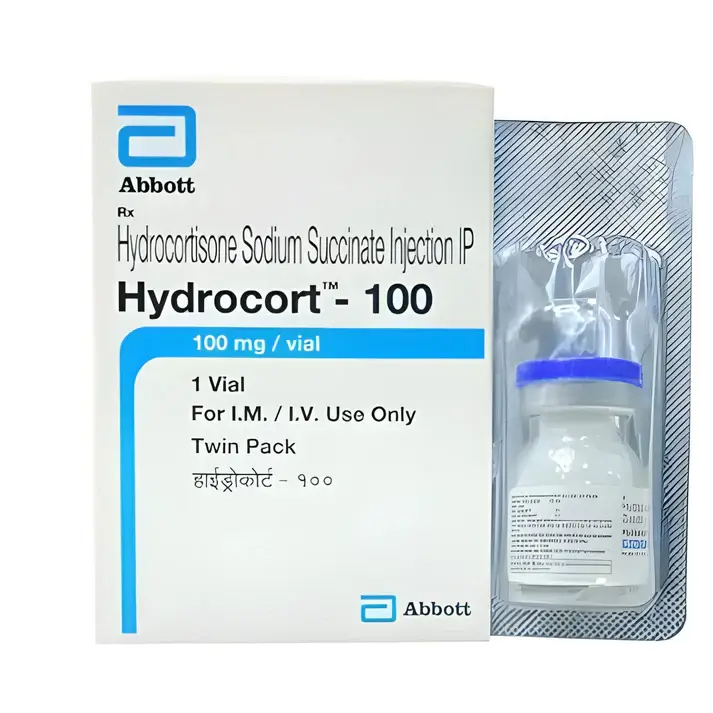
Manage Inflammation: Hydrocort 100 Hydrocortisone
If you have been prescribed Hydrocortisone, you may notice different brand names available. Navigating prescription-only medicines can feel complex. This educational guide explains the clinical science, regulatory status, and safety guidelines for this treatment.
 Composition
Active Ingredient
Hydrocortisone Sodium Succinate
 Manufacturer
Abbott India Limited
 Expiry
Store this medicine in a cool, dry place, away from direct sunlight. Provided these storage conditions are maintained, the product remains usable for 24 to 36 months. Always check the expiry date printed on the packaging before use.
What is Hydrocort 100?
Hydrocort 100 mg is a prescription-only medicine (POM). It contains Hydrocortisone at a 100mg strength. This preparation belongs to a chemical class of medicines known as corticosteroids (steroid hormones that reduce inflammation).
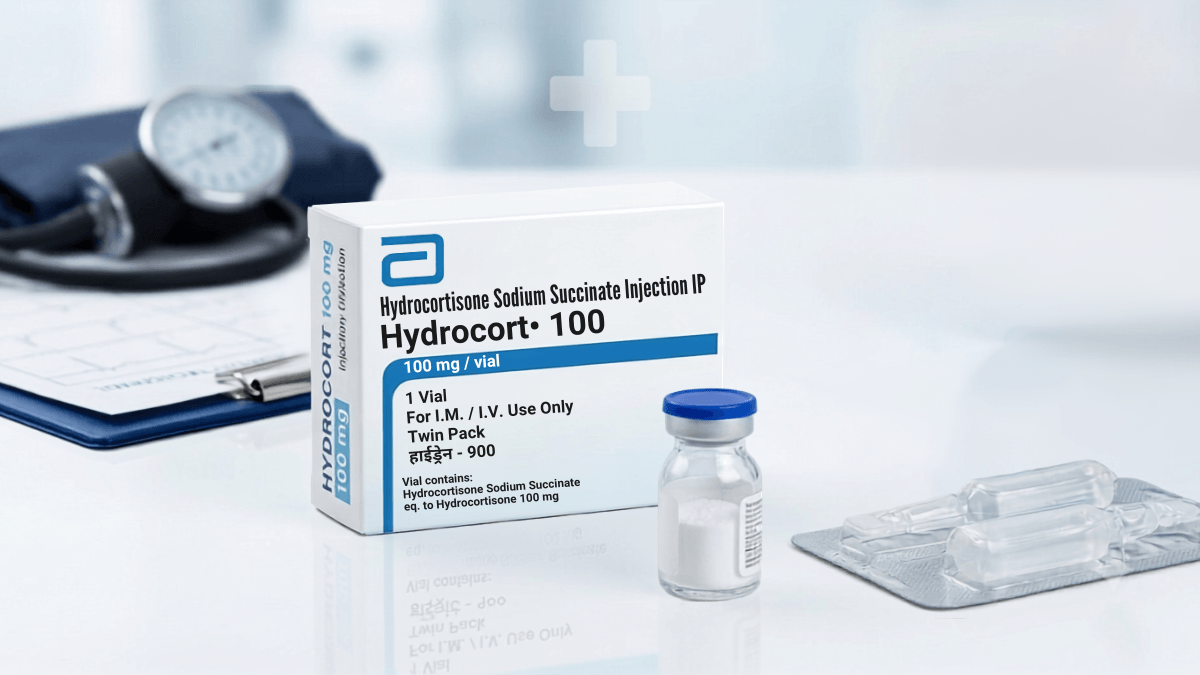
Patients can access this treatment with a valid prescription through regulated pharmacy supply channels. Hydrocort 100 is bioequivalent to the UK reference brand, Solu-Cortef 100. Bioequivalence means both products deliver the identical amount of active drug to your body at the same rate. Therefore, they produce the same therapeutic effect.
Scientific Salt Consistency: Hydrocort 100 vs Solu-Cortef 100
The table below outlines the pharmaceutical profiles of these two preparations.
Both formulations rely on the exact same active salt.
| Characteristic | Hydrocort 100 | Solu-Cortef 100 |
|---|---|---|
| Active Ingredient (Salt) | Hydrocortisone | Hydrocortisone |
| Strength | 100mg | 100mg |
| Chemical Class | Corticosteroid | Corticosteroid |
| Mechanism of Action | Binds to glucocorticoid receptors to suppress inflammation and immune response. | Binds to glucocorticoid receptors to suppress inflammation and immune response. |
| Bioequivalence | Confirmed equivalent therapeutic efficacy. | Primary UK reference standard. |
| Therapeutic Effect | Replaces missing cortisol or reduces systemic inflammation. | Replaces missing cortisol or reduces systemic inflammation. |
Mechanism and Clinical Uses
Hydrocortisone functions as a synthetic version of cortisol. Cortisol is a vital hormone produced naturally by your adrenal glands. The active salt binds to specific glucocorticoid receptors inside your body’s cells.
This binding action stops the body producing inflammatory chemicals.
Clinicians primarily prescribe Hydrocortisone 100mg to treat acute adrenal insufficiency (a life-threatening state where the body lacks cortisol). Doctors also use it to suppress severe allergic reactions, acute asthma, and advanced inflammatory disorders. This systemic intervention rapidly stabilises your metabolic and immune functions.
Side Effects
| Category | Effect |
|---|---|
| General Risk | All systemic corticosteroids carry a risk of side effects. These need careful medical monitoring |
| Acute Use (Hydrocortisone 100mg) | Fluid retention |
| Acute Use (Hydrocortisone 100mg) | Temporary blood pressure spikes |
| Acute Use (Hydrocortisone 100mg) | Altered mood states |
| Prolonged Therapy | Muscle weakness |
| Prolonged Therapy | Osteoporosis (fragile bones) |
| Prolonged Therapy | Suppressed immune responses |
Contraindications
You must not use this medicine if you have a systemic fungal infection. Corticosteroids can mask signs of infection, allowing it to spread. Your doctor will assess your history for peptic ulcers, diabetes, and heart failure before starting treatment.
This medicine interacts with several common treatments. For example, taking Hydrocortisone alongside NSAIDs (non-steroidal anti-inflammatory drugs like ibuprofen) increases your risk of stomach ulcers. It can also reduce the effectiveness of diabetes medications and anticoagulants.
HYDROCORTISONE 100mg
├── Contraindication: Systemic fungal infection or unmanaged infection
├── Drug Interaction: NSAIDs (increases risk of stomach ulcers)
└── Report Side Effects: MHRA Yellow Card Scheme to track drug safety
Safety Advice
 Liver
Liver
Corticosteroids are metabolised and processed by the liver. If you have liver failure, cirrhosis, or severe hepatic impairment, the clearance of this medicine is significantly decreased. This can lead to an increased effect and a higher risk of systemic side effects, meaning your clinician may need to consider a reduced dosage.
 Kidney
Hydrocortisone can cause salt and water retention in the body. If you suffer from renal insufficiency, chronic kidney disease, or uraemia, this medicine must be used with extreme caution and frequent monitoring to prevent fluid overload and complications like high blood pressure.
 Alcohol
It is advisable to avoid or strictly limit alcohol consumption whilst undergoing Hydrocortisone therapy. Both corticosteroids and alcohol can irritate the gastrointestinal tract; combining them increases your physiological risk of developing stomach pain, peptic ulcers, or internal bleeding.
 Driving
No formal studies show that Hydrocortisone directly impairs the ability to drive. However, systemic steroids can occasionally cause dizziness, blurred vision, or sudden mood changes. Do not drive or operate machinery if you feel affected by any of these visual or neurological symptoms.
 Pregnancy
Hydrocortisone can cross the placenta and potentially slow the growth of an unborn baby, leading to a risk of low birth weight. Because of these risks, it should only be administered during pregnancy if your doctor carefully decides that the medical benefit to the mother outweighs the potential risk to the fetus (such as in an acute medical emergency).
 Breastfeeding
Small amounts of hydrocortisone can pass into breast milk. While it may be necessary for critical maternal conditions like an acute adrenal crisis, using this medicine whilst breastfeeding requires close medical supervision and a thorough risk-benefit evaluation by your healthcare team.
Never stop using this medicine suddenly if you have taken it for more than a few weeks. Stopping abruptly can cause an adrenal crisis. This happens because your body stops producing cortisol on its own. Speak to a registered healthcare professional before you start, change, or come off your treatment.
Accessing Regulated Treatment
When accessing competitively sourced treatments online, you must follow a strict prescription verification process. If you experience an adverse drug reaction, please report it to the MHRA Yellow Card Scheme. These patient reports directly help the government monitor safety and protect public health.
Frequently Asked Questions
Q: What is Hydrocort 100mg used for?
A: Hydrocort 100mg treats severe allergic reactions, asthma attacks, shock, and adrenal insufficiency. It also manages inflammatory conditions. A doctor administers it via injection under close medical supervision.
Q: Is Hydrocort a steroid?
A: Yes, Hydrocort is a corticosteroid. It contains hydrocortisone, a glucocorticoid that reduces inflammation and suppresses immune responses. It’s classified as a prescription-only steroid medicine.
Q: Will Hydrocort increase BP?
A: Yes, it can raise blood pressure. This is more likely with prolonged use. Regular monitoring is essential. Always disclose existing hypertension or cardiovascular conditions to your doctor beforehand.
Conclusion
Hydrocort 100 serves as a clinically verified, bioequivalent option for patients requiring Hydrocortisone 100mg therapy. It works via identical biological mechanisms as Solu-Cortef 100 to manage acute inflammatory and endocrine conditions. However, systemic corticosteroids require strict medical oversight to prevent severe complications. Prioritise your health by consulting an authorised prescriber and using regulated UK pharmacies.
References
- Medicines and Healthcare products Regulatory Agency (MHRA). (2025). Corticosteroid Safety Standards and Yellow Card Reporting. Gov.uk.
- National Institute for Health and Care Excellence (NICE). (2024). Adrenal Insufficiency: Acute Management and Glucocorticoid Replacement Guidelines.
Medical Disclaimer
This article is for educational and informational purposes only. It does not replace professional medical advice, diagnosis, or treatment. Always consult a qualified healthcare professional or your GP before starting or changing any medical regimen.
Reviews
There are no reviews yet.