
Description
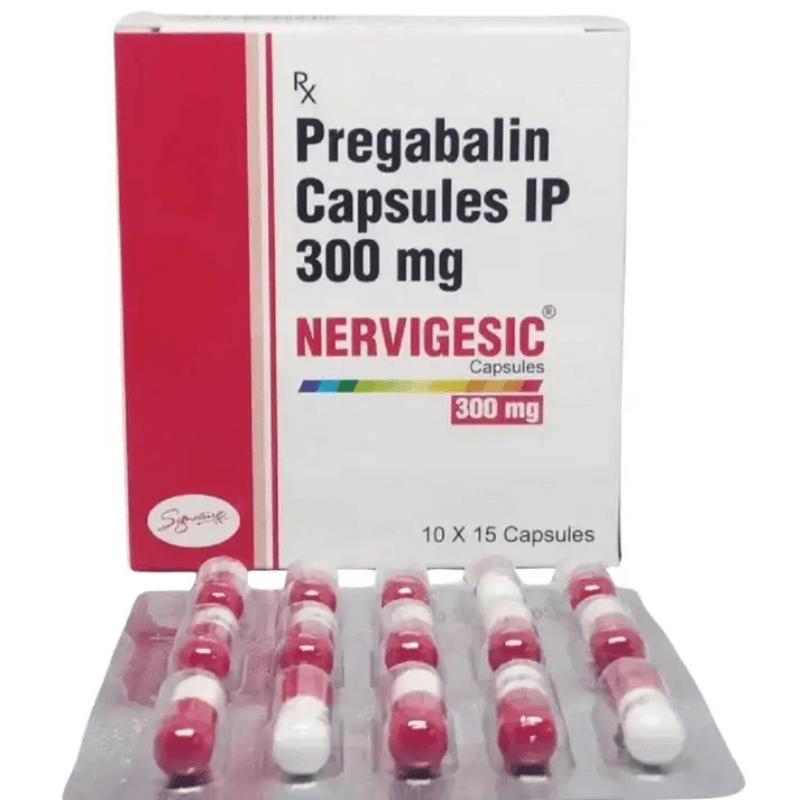
Nervigesic 300: Pregabalin 300 mg for Nerve Pain
Nervigesic 300 mg capsules are prescription-only medicines (POM) commonly used to manage nerve-related pain and certain neurological conditions. The capsules contain Pregabalin 300 mg, a medicine that helps regulate abnormal nerve signals responsible for chronic neuropathic pain.

You may notice different brand names for Pregabalin depending on the manufacturer and country of supply. Nervigesic 300, manufactured by HAB Pharma, contains the same active ingredient as the UK reference brand Lyrica.
When supplied through a regulated pharmacy with prescription verification, Nervigesic products meet recognised pharmaceutical formulation standards and contain the same active ingredient as established Pregabalin-based therapies.
 Composition
Active Ingredient
Pregabalin – 300 mg
 Manufacturer
HAB Pharma
Variants Available
Nervigesic 150 mg
Nervigesic 300 mg
Nervigesic 450 mg
 Expiry
Refer to the packaging for the exact month and year of expiry. After the expiry date listed on the packaging, do not use the medicine.
Nervigesic Vs Lyrica
| Feature | Nervigesic 300 | Lyrica |
|---|---|---|
| Active Ingredient | Pregabalin | Pregabalin |
| Strength | 300 mg | Multiple strengths |
| Chemical Class | GABA analogue | GABA analogue |
| Mechanism of Action | Calcium channel modulation | Calcium channel modulation |
| Bioequivalence | Contains the same active salt as the UK reference brand | UK reference brand formulation |
| Therapeutic Effect | Neuropathic pain control | Neuropathic pain control |
Both medicines contain Pregabalin and have similar therapeutic effects under medical supervision.
About Nervigesic 300
Nervigesic 300 mg is a medicine primarily prescribed to treat neuropathic pain, which occurs when nerves become damaged or dysfunctional.
The medicine belongs to the anticonvulsant and neuropathic pain reliever therapeutic category.
Pregabalin, the active ingredient, functions by interacting with certain calcium channels in nerve cells.
This process reduces the release of neurotransmitters that transmit abnormal pain signals in the nervous system.
By stabilising nerve activity, Pregabalin 300 mg helps decrease excessive nerve signalling and reduces persistent pain sensations.
Doctors prescribe this medicine to treat conditions such as:
- Nerve pain that is burning or shooting
- Numbness or tingling in the limbs
- Pain caused by nerve damage from diabetes
- Post-herpetic neuralgia following shingles
- Fibromyalgia-related pain
By regulating abnormal nerve signalling pathways, Nervigesic 300 mg helps improve overall comfort and daily functioning in individuals suffering from chronic neuropathic pain conditions.
Patients should always take their medications exactly as directed by their doctor.
The price of Nervigesic 300 mg may vary depending on the pharmacy’s supply and region.
Benefits of Nervigesic 300
Nervigesic 300 mg helps manage different forms of nerve pain that may interfere with daily activities, sleep, and overall well-being.
Pregabalin 300 mg alleviates persistent sensations by reducing abnormal nerve impulses.
- Burning
- Stabbing
- Electric shock-like pain
These are commonly associated with neuropathic disorders.
The medicine also improves the stability of nerve signals.
As a result, patients may experience reduced discomfort, tingling, and numbness in affected areas.
With regular use under medical supervision, Nervigesic capsules 300 mg may support improved pain control and physical mobility.
As nerve activity stabilises, many patients report improved everyday functioning and better-quality sleep.
Consistent treatment can improve symptom management and quality of life in chronic neuropathic conditions over time.
How to use Nervigesic 300
Follow these instructions when using Nervigesic 300 mg:
- Take the capsule exactly as prescribed by your doctor.
- The capsule should not be opened, chewed, or crushed.
- Take the medicine at the same time each day to keep its levels steady.
- Unless your doctor instructs you to, do not abruptly stop taking the medicine.
Finishing the recommended course of treatment decreases the risk of recurrence and ensures good symptom control.
Uses of Nervigesic 300
Doctors commonly prescribe Nervigesic 300 mg for conditions involving nerve-related pain.
Doctors use Pregabalin to manage:
- Neuropathic pain caused by nerve damage
- Diabetic neuropathy
- Post-herpetic neuralgia following shingles
- Fibromyalgia
- Partial seizures, when used as adjunct therapy
By stabilising nerve activity in the central nervous system, Pregabalin 300 mg helps reduce pain signals and improve nerve function.
What Conditions Nervigesic 300 Treats
Nervigesic capsules 300 mg treat neurological conditions involving abnormal nerve signalling.
These conditions may include:
Neuropathy caused by diabetes
Long-term elevated blood sugar levels might cause nerve damage.
Post-herpetic neuralgia
Persistent nerve pain that develops after a shingles infection.
Fibromyalgia
A long-term condition marked by widespread soreness and stiffness in the muscles.
Neuropathic pain disorders
Patients experiencing these conditions may notice symptoms such as:
- Burning or shooting pain
- Tingling sensations
- Numbness in the hands or feet
- Hypersensitivity to touch
- Muscle pain
Even if symptoms start to improve sooner, patients should complete the entire course of medication.
When Should You Consult A Doctor?
Seek medical advice if:
- Pain symptoms become severe or worsen.
- You have symptoms like swelling, redness, or trouble breathing that indicate an allergic reaction.
- After the recommended course of treatment, symptoms do not get better.
- You experience unusual mood changes, dizziness, or persistent drowsiness.
A healthcare professional can assess your symptoms and adjust your treatment if necessary.
Side Effects
Like most medicines containing pregabalin, some people may experience adverse effects with Nervigesic 300 mg.
Most reactions are mild and temporary.
| Type of Side Effect | Symptoms |
|---|---|
| Common Side Effects | Lightheadedness |
| Common Side Effects | Sleepiness |
| Common Side Effects | Dry mouth |
| Common Side Effects | Blurred vision |
| Common Side Effects | Weight gain and swelling of the hands or feet |
| Rare But Serious Side Effects | Severe allergic response |
| Rare But Serious Side Effects | Breathing difficulties |
| Rare But Serious Side Effects | Severe swelling of the face or throat |
| Rare But Serious Side Effects | Mood or behavioural changes |
Stop taking the medicine and seek medical attention if severe symptoms occur.
Through the MHRA Yellow Card Scheme, patients and medical professionals in the UK can report potential adverse events.
Safety Advice
 Liver
Liver
Patients with liver conditions should inform their doctor before using Nervigesic 300 mg. Although Pregabalin undergoes minimal liver metabolism, doctors may still monitor patients with existing liver disease.
 Kidney
The kidneys are the main organs responsible for eliminating pregabalin. Patients with kidney impairment may require dose adjustments and monitoring during treatment.
 Alcohol
Alcohol may increase dizziness and drowsiness when taken with pregabalin. Unless a medical professional instructs you otherwise, abstain from alcohol during therapy.
 Driving
This medicine may cause dizziness, sleepiness, or blurred vision. Patients should avoid driving or operating machinery if these symptoms occur.
 Pregnancy
Researchers have not fully established the safety of Pregabalin during pregnancy. Doctors may prescribe it only when potential benefits outweigh potential risks.
 Breastfeeding
Pregabalin may be present in breast milk. Before using this medicine, mothers should speak with their doctor.
Consumption Warning Before Using Nervigesic 300
Before starting Nervigesic 300 mg, patients should follow these precautions:
- Wash your hands before handling medication
- Do not use capsules if the packaging seal appears broken
- Inform your doctor about previous drug allergies
- Avoid adjusting dosage without medical advice
- As directed, finish the entire course of treatment.
Before beginning or altering treatment, always get advice from a licensed healthcare provider in the UK.
Forgot to take the prescribed amount?
If you forget to take your 300 mg dose of Nervigesic:
- Take the missed dose as soon as you remember.
- If the next dose is due soon, skip the missed dose.
- Continue with your regular dosing schedule.
Never take two doses to make up for a missed dose.
Additional Information
| Category | Information |
|---|---|
| Habit Forming | Possible risk if misused |
| Chemical Class | Gamma-aminobutyric acid (GABA) analogue |
| Therapeutic Class | Neuropathic pain medication |
| Action Class | Calcium channel modulator |
FAQs
Q: What is Nervigesic 300mg used for?
A: Nervigesic 300 mg contains pregabalin. Doctors prescribe it to treat neuropathic pain caused by nerve damage. When administered under medical supervision, it may also aid in the management of partial seizures and fibromyalgia.
Q: Which tablet is best for nerve damage?
A: Doctors often prescribe medicines containing pregabalin for nerve damage. The suitable tablet depends on the patient’s condition, symptoms, and medical history. A medical professional should decide the optimum course of action.
Q: Is it safe to take pregabalin every day?
A: You can take Pregabalin daily if your doctor prescribes it. It helps control nerve pain and seizures. Patients should take their medicine as prescribed and avoid stopping it suddenly.
Conclusion
Pregabalin 300 mg, a common anticonvulsant and neuropathic pain treatment given for disorders involving aberrant nerve signalling, is contained in Nervigesic capsules 300 mg.
When used under appropriate medical supervision, Pregabalin medicines help reduce persistent nerve pain, improve daily functioning, and support better symptom control.
Patients should always follow their doctor’s advice and only purchase medications from a licensed pharmacy that has a legitimate prescription.
References
Disclaimer
This information is provided for informational purposes only; it does not constitute medical advice. Before taking Nervigesic 300 mg, always speak with a licensed healthcare professional. Do not self-medicate or alter prescribed treatment without professional guidance.



Reviews
There are no reviews yet.